2026 Best Specimen Collection Kit for Global Buyers?
In the evolving world of diagnostics, the importance of a reliable specimen collection kit cannot be overstated. For global buyers, finding the best options for 2026 is crucial. These kits are essential for accurate testing and diagnosis. They come in various forms, serving different medical needs. Their quality can directly impact the effectiveness of healthcare.
As we explore the best specimen collection kits, we must consider different factors. The design, sterilization, and user-friendliness are key elements. Many buyers are plagued by uncertainties in choosing the right kit. Often, they overlook essential features, which can lead to dissatisfaction. The stakes are high when it comes to collecting specimens accurately.
In addition, global buyers face challenges like supply chain issues and varying regulatory standards. Selecting a high-quality specimen collection kit requires understanding local markets and needs. This process is not as straightforward as it may seem. It demands careful evaluation to ensure reliability and efficiency. As we delve into the best options, let's reflect on the complexities involved and strive for informed choices.
2026 Specimen Collection Kit Overview: Types and Applications
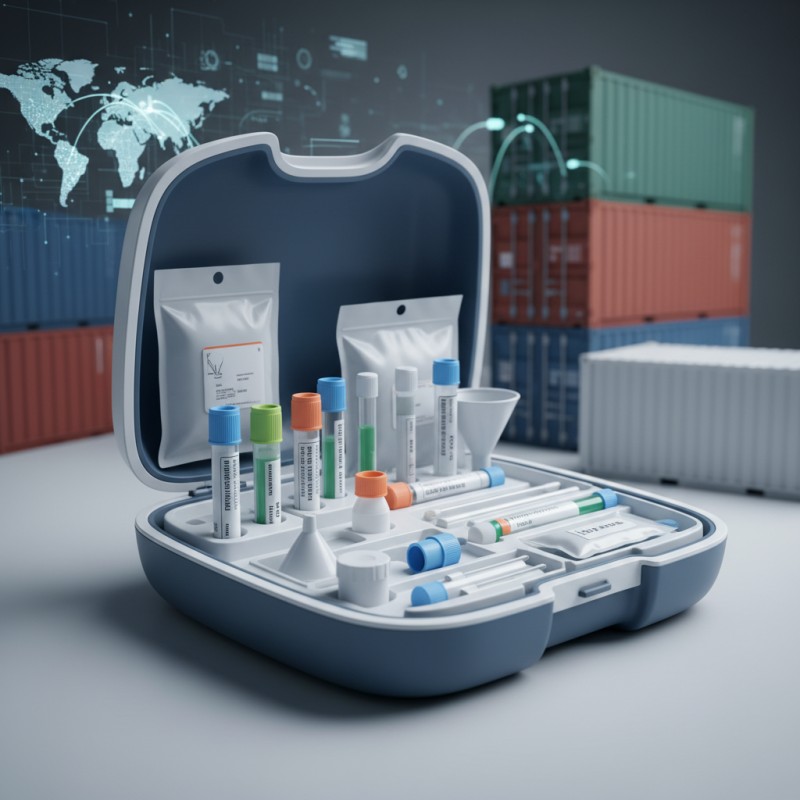
Specimen collection kits are essential in various fields, from medical diagnostics to environmental testing. They enable the safe and effective collection of biological materials. In 2026, their importance is underscored by the growing global demand for accurate testing methods. According to a report by Grand View Research, the global specimen collection market is expected to reach $24.6 billion by 2030. This forecast highlights the critical role these kits play in healthcare and research.
Different types of specimen collection kits cater to specific applications. Blood collection kits are widely used in laboratories for diagnostic testing. Swab kits are popular in both clinical and field settings, particularly for infectious disease testing. Research indicates that the demand for swab kits surged by 50% during the pandemic. This increase demonstrates the need for reliable collection tools in urgent situations.
Although these kits serve essential purposes, challenges remain in ensuring proper usage and training. Improper collection techniques can lead to contamination or inaccurate results. Continuous training and awareness are vital for users. Furthermore, improvements in kit design could enhance usability. Research suggests that user-friendly kits can reduce errors, fostering better outcomes in specimen testing.
2026 Best Specimen Collection Kit Overview
| Collection Kit Type |
Applications |
Components |
Storage Conditions |
Price Range (USD) |
| Blood Collection Kit |
Clinical Testing, Research |
Vacutainer tubes, Needles, Alcohol pads |
Room temperature |
$50 - $70 |
| Urine Collection Kit |
Urinalysis, Drug Testing |
Sterile cup, Labels, Instruction manual |
Cool, Dry place |
$15 - $25 |
| Saliva Collection Kit |
Genetic Testing, Hormone Testing |
Saliva collector, Stabilizer solution |
Room temperature |
$20 - $30 |
| Fecal Collection Kit |
Microbiome Analysis, Parasitology |
Collection container, Preservative solution |
Cool, Dry place |
$10 - $20 |
| Tissue Collection Kit |
Histopathology, Biobanking |
Biopsy needle, Fixative solution, Collection containers |
Refrigerated |
$100 - $150 |
Market Analysis: Key Trends in Specimen Collection Kits by 2026
The specimen collection kit market is undergoing significant transformation. By 2026, it is projected to reach a value of over $22 billion globally. This growth is largely driven by the rising demand for home testing and remote patient monitoring. The convenience of collecting samples at home has accelerated adoption among consumers.
Key trends indicate a shift towards more user-friendly kits. These kits often include clear instructions and intuitive designs. According to a recent report, 45% of users prefer kits that ensure comfort and simplicity during the sampling process. However, manufacturers must balance quality with affordability. Many low-cost kits sacrifice accuracy, raising concerns among healthcare professionals and consumers alike.
Moreover, sustainability is becoming essential in this market. As awareness of environmental issues grows, buyers are increasingly seeking eco-friendly materials. Yet, manufacturers face challenges in sourcing sustainable components without increasing costs. This tension between ecological responsibility and financial viability warrants reflection. It remains to be seen how the industry will address these conflicting demands while maintaining high standards for accuracy and reliability.
Top Features to Look for in Specimen Collection Kits for Global Buyers
When selecting a specimen collection kit, buyers should consider essential features. A reliable kit must maintain sample integrity. Good packaging protects samples during transport. It is important to ensure that it includes all necessary components. Look for clear instructions for use. This supports accuracy in sample collection and processing.
Additionally, buyer support is crucial. Responsiveness can impact the experience. A transparent return policy can offer peace of mind. It’s also wise to assess the kit's compatibility with various testing procedures. Testing methods may differ across regions. Therefore, versatility is a key feature to evaluate.
Another aspect worth considering is the availability of training resources. Some kits come with tutorial videos or user manuals. This can enhance understanding and correct usage. However, the lack of training materials could lead to mistakes in collection. A user-friendly experience is important but often overlooked. Ensure the kit you choose simplifies the collection process.
2026 Best Specimen Collection Kits - Key Features Comparison
Future Innovations in Specimen Collection Technologies for 2026
The future of specimen collection technologies looks promising as we approach 2026. Emerging innovations aim to enhance efficiency and user experience. For instance, the development of smart collection kits might provide real-time data tracking. This feature can significantly improve logistics and sample integrity.
Mobile apps could become integrated tools for users. These apps may allow real-time updates on specimen status. The ease of accessing information will likely enhance trust between patients and providers. Additionally, advancements in materials could lead to more sustainable kits. Eco-friendly solutions are critical in today’s health landscape.
However, challenges remain. Not all innovations will seamlessly integrate into current practices. There may be resistance from users accustomed to traditional methods. Ongoing user feedback will be crucial. As we anticipate these changes, it’s essential to reflect on how they might impact the overall healthcare experience.

 +86 178 5514 5298
 CONTACT NUMBER
 CONTACT NUMBER