What Are the Benefits of 95 kPa Biohazard Bags for Safety?
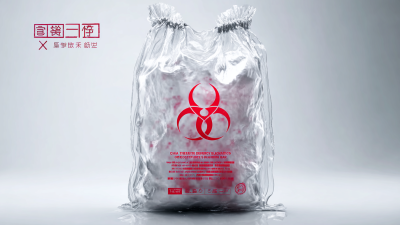
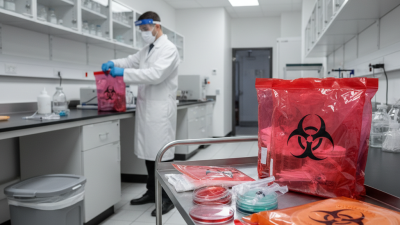
In today’s world, safety in handling hazardous materials is paramount. "95 kPa Biohazard Bags" play a crucial role in ensuring this safety. Dr. Emily Carter, a leading expert in industrial safety, emphasizes, "The strength of biohazard bags significantly affects how they contain harmful substances." This highlights their importance in various sectors, including healthcare and laboratories.
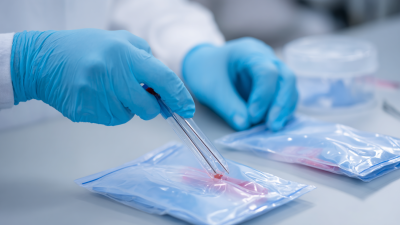
These bags are designed to withstand high pressure, providing an added layer of security. They are not just ordinary trash bags; their durability minimizes leaks and spills. This is critical in maintaining a sterile environment and protecting workers from potential exposure.
Despite their benefits, reliance solely on these bags can lead to complacency. Proper training and protocols must accompany their use. While "95 kPa Biohazard Bags" are effective, they should be part of a broader safety strategy.
Awareness and proper education about the limitations of these bags remain essential. Balancing safety equipment with stringent waste management practices can enhance overall protection.
Understanding 95 kPa Biohazard Bags and Their Design
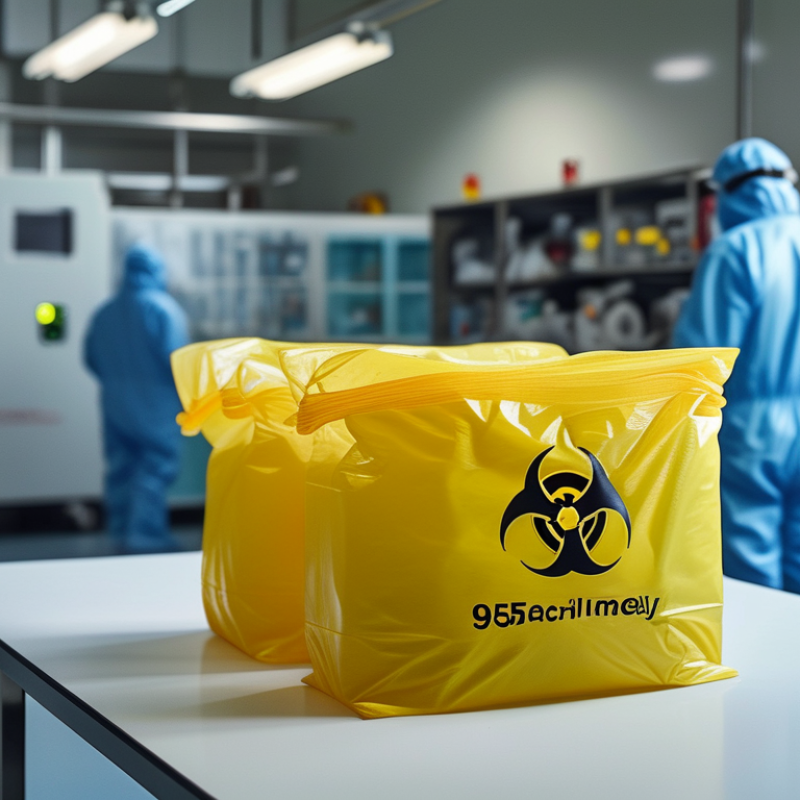
95 kPa biohazard bags are essential for safe handling of hazardous materials. Their unique design features offer superior protection against biological contamination. These bags can withstand high pressures, ensuring that they do not rupture during transport. This is crucial when dealing with sharp objects or potentially infectious materials.
When choosing biohazard bags, consider thickness and puncture resistance. Thicker materials provide better durability. Look for color-coded options to easily identify the contents. Make sure the bags are properly sealed. A weak seal can lead to exposure.
Tips for safe usage: always double-bag when necessary. This adds an extra layer of protection. Educate staff on proper disposal methods. Training can help reduce accidents. Regularly inspect bags for any signs of damage before use. This simple step can prevent serious risks. Remember, safety begins with informed choices.
What Are the Benefits of 95 kPa Biohazard Bags for Safety?
| Feature |
Description |
Benefit |
| Pressure Resistance |
Designed to withstand pressures up to 95 kPa. |
Minimizes the risk of bag rupture during transport. |
| Material Composition |
Made from high-density polyethylene (HDPE). |
Offers superior puncture and tear resistance. |
| Color-Coding |
Typically red or yellow with biohazard symbols. |
Enhances visibility and differentiation from regular waste. |
| Seam Strength |
Fusion welded seams for extra durability. |
Prevents leakage and ensures contents are contained. |
| Compliance |
Meets regulatory standards for biohazardous waste disposal. |
Increases compliance with health and safety regulations. |
| Ease of Use |
Design allows for easy opening and sealing. |
Streamlines waste disposal processes in medical settings. |
Safety Features of 95 kPa Biohazard Bags in Hazardous Waste Handling
95 kPa biohazard bags offer crucial safety features for handling hazardous waste. These bags are designed to withstand pressure and contain biohazardous materials effectively. The pressure threshold ensures leakage prevention. A study from the American National Standards Institute indicates that bags with this pressure rating reduce the risk of exposure to harmful pathogens.
In medical settings, the proper disposal of biohazardous materials is essential. Statistics reveal that improper handling and disposal lead to increased infection rates. Using 95 kPa biohazard bags minimizes this risk. Their robust construction is vital in laboratories and hospitals. The bags can hold sharp objects and liquid waste without rupture.
Despite their effectiveness, challenges remain. Some facilities underestimate the importance of using these specific bags. Reports show that up to 30% of healthcare workers may not follow safe disposal practices. This highlights a critical gap in training and education. Awareness campaigns could enhance understanding and proper use of biohazard bags. Improving safety procedures is a continuous journey.
Benefits of 95 kPa Biohazard Bags for Safety
This chart illustrates the key safety features of 95 kPa biohazard bags, highlighting their effectiveness in hazardous waste handling. The percentages indicate the reliability of each feature, making them essential for safety in medical and laboratory environments.
Regulatory Standards and Compliance for Biohazard Waste Bags
Regulatory standards are essential in managing biohazard waste. These standards ensure safety for workers and the public. Compliance with regulations helps mitigate risks associated with hazardous biological materials. When organizations fail to meet regulations, the consequences can be severe. Penalties and legal issues can arise. Consequently, it's vital to understand these standards in-depth.
Biohazard bags that meet 95 kPa specifications play a critical role in compliance. They are designed to withstand pressure and prevent leaks. These bags are made from strong materials that are puncture-resistant. This durability is necessary for safely transporting hazardous waste. Organizations must also train staff on proper disposal methods. Failure to do so can compromise safety.
Monitoring compliance is not always simple. Regulations can vary by location, making it essential to stay informed. Organizations often struggle to keep up with these changes. Regular audits and staff training can help maintain compliance. Ensuring that all staff are knowledgeable about regulations is a challenge that many face. Balancing safety with operational efficiency requires continuous effort.
Environmental Impact of Using 95 kPa Biohazard Bags
The environmental impact of using 95 kPa biohazard bags is significant. These bags are designed to safely contain hazardous materials. Proper disposal of such bags is essential to minimize pollution. According to the Environmental Protection Agency (EPA), improper waste disposal contributes to over 20% of environmental contamination.
Biohazard bags often consist of a polymer material, which poses challenges for biodegradability. Research from the National Institutes of Health shows that traditional plastic bags can take hundreds of years to decompose. This long lifespan adds to landfill waste and environmental toxicity. While 95 kPa bags ensure safety in handling biohazardous waste, the ecological footprint cannot be ignored.
Efforts to improve the environmental impact are underway. Many industries are exploring eco-friendly alternatives. Biodegradable options made from plant-based materials show promise. These alternatives could significantly reduce long-term environmental harm. The transition requires careful consideration of safety and efficacy. Overall, while 95 kPa biohazard bags provide essential safety benefits, the environmental repercussions warrant ongoing discussion and analysis.
Cost-Effectiveness and Efficiency of 95 kPa Biohazard Bags in Use
95 kPa Biohazard Bags offer numerous benefits in safety, particularly in healthcare settings. Their design includes enhanced durability, making them crucial in handling biohazardous waste. The efficiency of these bags is evident when it comes to proper disposal methods. They seal tightly, preventing leakages and ensuring the containment of hazardous materials.
Cost-effectiveness plays a significant role in the utilization of 95 kPa Biohazard Bags. Facilities can purchase them in bulk, leading to lower prices per unit. This affordability does not compromise safety standards. Investing in these bags minimizes potential contamination risks. Consequently, healthcare providers save money on contamination-related incidents and improve overall safety.
Tips for using 95 kPa Biohazard Bags effectively include always sealing the bags tightly after use. Regularly inspect them for any signs of damage or wear. Ensure staff members are trained on proper disposal procedures to minimize risks. These practices promote a safer environment and optimize the use of biohazard bags. Considering these aspects can lead to greater efficiency and reliable waste management.

 +86 178 5514 5298
 CONTACT NUMBER
 CONTACT NUMBER