Best Vacuum Blood Collection Tube Options for Global Buyers?
In the rapidly evolving medical landscape, the demand for high-quality vacuum blood collection tubes is more significant than ever. These tubes play a crucial role in the safe and efficient collection, transport, and storage of blood samples. Choosing the right vacuum blood collection tube can greatly impact laboratory test accuracy. Numerous options are available to meet diverse needs globally. However, not all tubes are created equal.
Buyers often face challenges such as materials, additives, and compatibility. It's essential to understand the implications of these factors. A well-constructed vacuum blood collection tube can prevent contamination and ensure sample stability. Yet, many products fall short of expectations. Some buyers may overlook details, leading to potential errors in results.
Exploring the best vacuum blood collection tube options requires careful consideration. Buyers should prioritize products from reliable manufacturers with proven experience and authority. Emphasizing quality over price can yield better outcomes in the long term. As demands increase, remaining informed can make a significant difference in choice and usage.

Overview of Vacuum Blood Collection Tubes and Their Uses
Vacuum blood collection tubes are vital in clinical laboratories. These tubes ensure optimal specimen integrity by creating a vacuum that draws blood into the container. A variety of additives are included in these tubes, depending on the intended tests. For instance, anticoagulants prevent blood clotting, while others promote clotting for serum separation.
According to the International Laboratory Products Association, the global market for blood collection tubes is projected to grow significantly. The choice of materials used in these tubes plays a crucial role in their performance. Glass and plastic are the most common materials, each with distinct properties. Glass tubes offer a more inert environment, yet plastic tubes are more shatter-resistant and lighter. Not all tubes are created equal, and the material can impact test results. Lab professionals must carefully select the proper tube for accurate diagnostics.
Challenges remain in standardizing blood collection practices across different regions. Variations in manufacturing processes can lead to discrepancies in tube quality. Consumers need reliable sources for their purchase decisions, emphasizing the need for transparency in how these products are made. Most importantly, consistent education on proper blood collection techniques enhances the reliability of test results, paving the way for improved patient outcomes.
Key Features to Consider When Choosing Blood Collection Tubes
When selecting blood collection tubes, various factors must be weighed carefully. Material is crucial; glass tubes offer inertness while plastic ones provide safety and reduced breakage risk. A report from the Global Market Insights reveals that glass tubes are still preferred for their precision. However, they are less durable than their plastic counterparts, which can crack under pressure, leading to contamination.
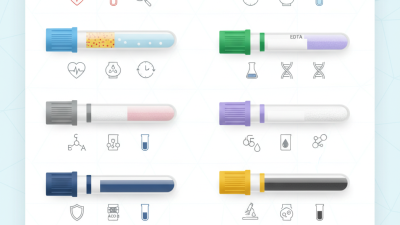
The vacuum mechanism also plays a significant role. Tubes with reliable vacuum systems improve sample stability. According to a 2022 study by the American Society for Clinical Pathology, improper vacuum levels can affect the accuracy of test results. Color-coded tops indicate different additives, such as anticoagulants, which are vital for specific tests. Understanding the purpose of each color enhances the collection process.
The sizing of the tube is another necessary consideration. Standard sizes range from 2ml to 10ml, with larger volumes being more suitable for specific tests. However, oversizing can lead to waste and increased costs. Many labs still struggle with matching the correct size to the test requirements, underlining the importance of education in tube selection. Always remember that improper choices can lead to significant consequences in diagnostics.
Top Brands and Products for Blood Collection Tubes Worldwide
Blood collection tubes are vital in healthcare for storing blood samples. They ensure the proper preservation and transport of samples for lab analysis. Understanding the different types and brands is essential for global buyers. Various features can impact the effectiveness of collection tubes, such as material, volume, and additive presence.
Several reliable options are available worldwide. Some tubes are designed for specific tests, like chemistry or hematology. These tubes can enhance accuracy and reliability. When selecting, consider factors like compatibility with machines used for testing. Evaluating the manufacturing standards is also important for quality assurance.
Not all blood collection tubes are created equal. Variations in performance can lead to inconsistent results. It's crucial for buyers to research product specifications. Look into user feedback and expert reviews. This approach can help you make informed choices. Understanding the limitations of certain tubes can prevent potential issues in blood sample handling.
Best Vacuum Blood Collection Tube Options for Global Buyers
This chart presents the distribution of blood collection tube types preferred by healthcare professionals worldwide. The data reflects the popularity of different tube materials and colors used for various blood test applications.
Comparative Analysis of Blood Collection Tube Materials and Types
When selecting vacuum blood collection tubes, understanding the materials and types is crucial for healthcare professionals. Commonly used materials include glass and plastic, each with its own benefits and limitations.
Glass tubes are favored for their inert nature, preventing chemical interactions. However, they pose a risk of breaking, which can compromise sample integrity. Plastic tubes, on the other hand, are lighter and more resistant to breakage, but can potentially leach substances into samples.
A recent report from the Global Institute of Health Equipment noted that plastic tubes account for over 70% of the market share due to their convenience and safety profile. In terms of tube types, citrate, EDTA, and heparin are essential anticoagulants, each suited for specific tests. For example, EDTA is ideal for complete blood counts, while citrate is preferred for coagulation studies.
When selecting tubes, consider the testing requirements and the material compatibility with the sample. Ensure that tubes are properly labeled to avoid confusion. Mislabeling can lead to dire consequences in patient care. Regular training on blood collection protocols enhances awareness and reduces potential errors. Continuous evaluation of materials is also necessary, as new advancements emerge in the field.
Purchasing and Sourcing Tips for Global Buyers of Blood Collection Tubes
When sourcing vacuum blood collection tubes, it's essential to consider various factors. Quality is paramount. Evaluate the material used in the tubes. Make sure they meet safety standards. Check for certifications from recognized organizations to ensure reliability. Additionally, consider the type of vacuum system employed. A reliable vacuum can significantly reduce the risk of contamination.
Networking with suppliers is crucial. Attending medical trade shows can build valuable relationships. Direct communication can clarify your needs and expectations. Don't hesitate to ask about their manufacturing processes. Transparency is a key indicator of a trustworthy supplier. Furthermore, keep an eye on reviews and feedback from other buyers. This information can provide insights into performance and quality.
Price can be tempting, but quality should not be compromised. Some cheaper options may not have the durability or safety features you require. It's essential to balance cost with performance. Regularly reassess your supplier relationships. If a supplier fails to meet your needs, it might be time to explore other options. Trust your instincts and be open to reflection; this drive can lead to better sourcing decisions.
Best Vacuum Blood Collection Tube Options for Global Buyers
| Tube Type |
Volume (mL) |
Additive |
Usage |
Price Range (USD) |
Availability |
| EDTA Tube |
4.5 |
EDTA |
Hematology |
0.50 - 1.00 |
Worldwide |
| Sodium Citrate Tube |
5.0 |
Sodium Citrate |
Coagulation Tests |
0.80 - 1.50 |
Global |
| Serum Separator Tube |
7.0 |
Gel Separator |
Biochemistry |
0.60 - 1.20 |
Available |
| Vacutainer® Tube |
10.0 |
None |
Blood Banking |
0.70 - 1.30 |
Globally Sourced |
| Plasma Separator Tube |
5.0 |
Lithium Heparin |
Plasma Testing |
0.60 - 1.10 |
International |

 +86 178 5514 5298
 CONTACT NUMBER
 CONTACT NUMBER