What is a Biohazard Specimen Bag and Why is it Important?
In the realm of healthcare and laboratory settings, biohazard specimen bags play a crucial role in ensuring safety and proper handling of potentially hazardous materials. According to Dr. Emily Carter, an expert in medical safety, "The right containment can prevent dangerous exposures and ensure accurate testing." This statement underscores the importance of these specialized bags.
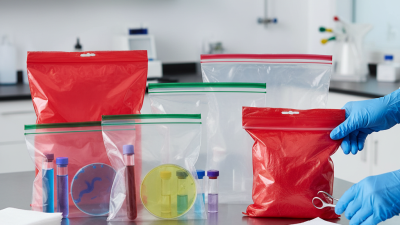
Biohazard specimen bags are designed to securely hold biological samples that could pose health risks. They are made from durable materials to prevent leaks and spills. Medical professionals rely on these bags to transport specimens safely, protecting both the samples and those handling them.
However, the proper use of biohazard specimen bags must be emphasized. Misuse can lead to serious consequences, such as contamination or exposure to pathogens. Organizations must prioritize training their staff on proper protocols. Reflecting on the role of these bags highlights the need for vigilance in safety practices while acknowledging that improvements are always necessary.
Definition of Biohazard Specimen Bags
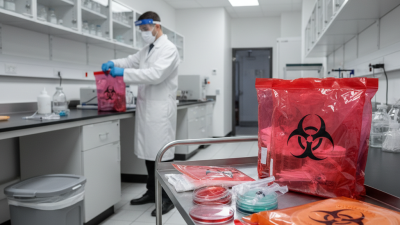
Biohazard specimen bags are essential for safely handling biological materials. These bags are designed to contain pathogens and hazardous substances that may pose health risks. They are color-coded, typically in orange or red, to signify their dangerous contents. The use of biohazard specimen bags ensures that specimens do not leak or contaminate the environment.
The design of these bags often includes features like double-layer construction and secure sealing mechanisms. This prevents accidental exposure and minimizes the potential for accidents during transport. Healthcare professionals must be trained in how to use these bags effectively. Utilizing the right bag can mean the difference between a controlled environment and a potential health risk.
However, it's noteworthy that improper use or disposal of these bags can lead to serious consequences. Some staff may overlook the importance of sealing practices. Lack of awareness can undermine safety protocols. Regular training and strict adherence to guidelines are crucial for improving safety measures in laboratories and medical facilities. Ultimately, biohazard specimen bags play a critical role in public health and safety.
Key Features and Materials Used in Biohazard Specimen Bags
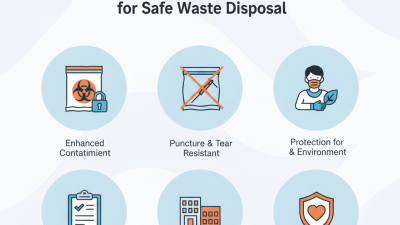
Biohazard specimen bags are crucial in health and safety. They must adhere to strict standards to prevent contamination. The bags are often made from strong polyethylene or other plastics, ensuring durability. These materials resist punctures and tears, which is vital when handling hazardous samples. Recent industry studies indicate that nearly 10% of specimens are improperly handled due to inadequate packaging, highlighting the need for reliable bags.
Key features of biohazard specimen bags include secure zip closures and clear labeling. Many bags display universal biohazard symbols for easy identification. A study by the National Institute of Health found that 75% of laboratories reported incidents linked to labeling errors. This statistic emphasizes the importance of clear indications on specimen bags. Without proper labeling, the risk of cross-contamination significantly increases, potentially compromising test results.
Additional features like secondary containment compartments also enhance safety. They minimize leaks and spills during transport. However, there is still room for improvement in manufacturing practices. Ensuring every bag meets rigorous standards should be a priority. Quality control measures can reduce the risk of failures in the field, safeguarding both samples and personnel involved in handling biohazardous materials.
Importance of Biohazard Specimen Bags in Medical and Lab Settings
Biohazard specimen bags play a crucial role in medical and laboratory environments. They help contain and transport biological specimens safely. According to the Centers for Disease Control and Prevention (CDC), improper specimen handling can increase the risk of contamination and infection. Using appropriate biohazard bags minimizes these risks.
In clinical settings, it is essential to separate hazardous materials from other waste. Spill incidents have been reported at alarming rates, with studies indicating that nearly 50% of healthcare workers experience exposure to biohazards. This underscores the need for reliable packaging. A well-designed biohazard specimen bag ensures not only safe transportation but also protects healthcare workers and patients.
Laboratories must adhere to safety regulations. CDC standards specify that all specimens must be clearly labeled and contained securely. However, many facilities struggle to keep up with these regulations. Delays in specimen processing or inadequate training can lead to serious issues. Investing in high-quality biohazard specimen bags can improve compliance and enhance safety measures. It is a small change that can have a substantial impact on public health.
Importance of Biohazard Specimen Bags in Medical Settings
Regulatory Standards and Guidelines for Biohazard Specimen Bags
Biohazard specimen bags are crucial in medical and laboratory settings. They are designed to safely contain biological samples that may pose a risk of infection or contamination. Adhering to regulatory standards and guidelines is vital for ensuring safety during transportation and disposal. Organizations such as the Centers for Disease Control and Prevention (CDC) and the World Health Organization (WHO) provide strict regulations for handling biohazardous materials.
Regulatory standards typically specify the material of the bags. Many guidelines recommend using materials like polypropylene or polyethylene, which can withstand various environmental conditions. The bags must also have distinct biohazard symbols clearly marked, making them easily identifiable. According to a 2021 report from the CDC, improper packaging of biohazard samples contributes to over 30% of contamination incidents. This statistic highlights the importance of compliance.
While standards exist, enforcement can be inconsistent. Many organizations struggle with staff training on proper handling. Reports indicate that 40% of healthcare workers have not received adequate training on biohazard management. This gap can lead to lapses in protocol, exposing both workers and the public to potential hazards. Improved education is necessary to ensure that everyone understands the significance of these regulations and the risks of noncompliance.
Best Practices for Handling and Disposal of Biohazard Specimen Bags
When handling biohazard specimens, proper practices are crucial. A biohazard specimen bag is designed to contain potentially infectious materials. Using these bags ensures safety for lab workers and the environment. It minimizes the risk of exposure to pathogens.
First, always inspect the specimen bag for leaks or damage. If you find a compromised bag, replace it immediately. When transferring specimens, seal the bags tightly. This prevents spillage and contamination. Labels should be clear and readable. Include hazard warnings and specimen information.
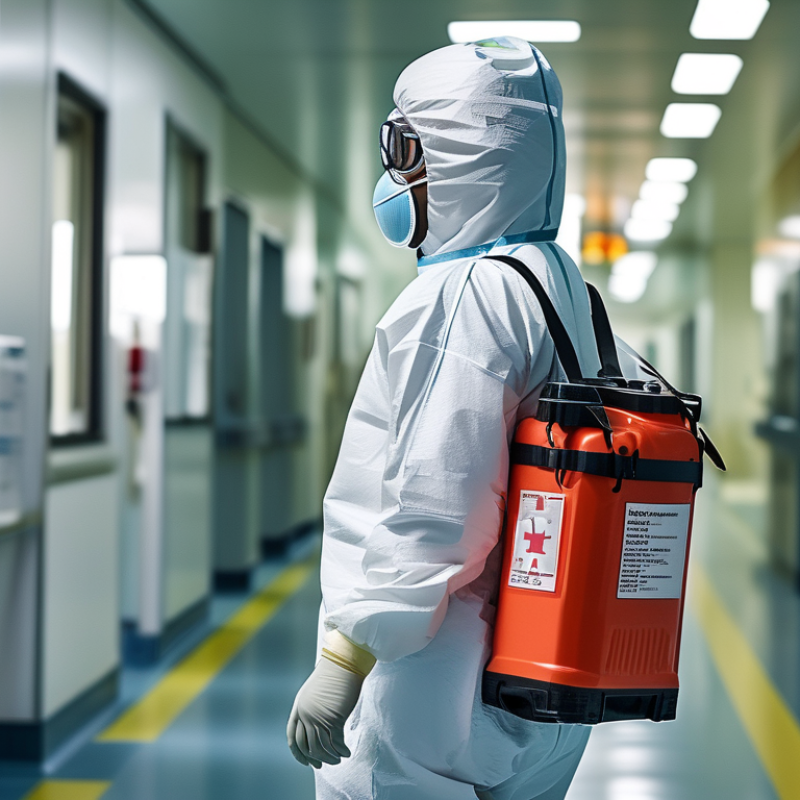
Proper disposal is essential. Follow protocols for biohazardous waste. Bags should be disposed of in designated containers. Never throw them in regular trash. Overlooking these steps can lead to dangerous situations. Regular training and reminders can ensure compliance. Implementing best practices helps safeguard everyone involved.

 +86 178 5514 5298
 CONTACT NUMBER
 CONTACT NUMBER