+86 178 5514 5298


Selecting a reliable 95 kPa Specimen Bag Supplier in China requires more than comparing unit prices. The bag is a small component, yet its seal can protect a specimen, courier, laboratory, and receiving team. Under IATA Packing Instruction 650, liquid biological substance packaging requires pressure resistance of 95 kPa for the applicable primary or secondary container. WHO laboratory biosafety guidance also emphasizes secure containment, leak prevention, and clear identification throughout transport.
The strongest suppliers connect these requirements with repeatable manufacturing controls. Look for documented pressure-test methods, validated heat-sealing parameters, incoming-film inspection, and lot-based traceability. A practical audit should examine the zipper or adhesive closure, welded corners, label adhesion, and bag thickness. Request representative test records, not only a polished certificate. Ask whether samples are tested after temperature conditioning, because flexible plastic can behave differently after storage or transit. Small details matter.
Industry logistics data continues to show growing demand for controlled healthcare and life-science shipments, while global quality frameworks increasingly stress traceability and risk-based verification. However, supplier claims are not automatically evidence. Some product pages remain vague about test pressure, test duration, or sample size. That is a weakness worth admitting. A buyer should verify those points independently.
This guide examines how to evaluate China-based manufacturers, compare production capabilities, and identify a dependable 95 kPa Specimen Bag Supplier. Experience with sample handling helps, but documented evidence should lead the decision. Reliable sourcing means fewer surprises: intact seals, readable markings, consistent dimensions, and records that remain available after delivery.
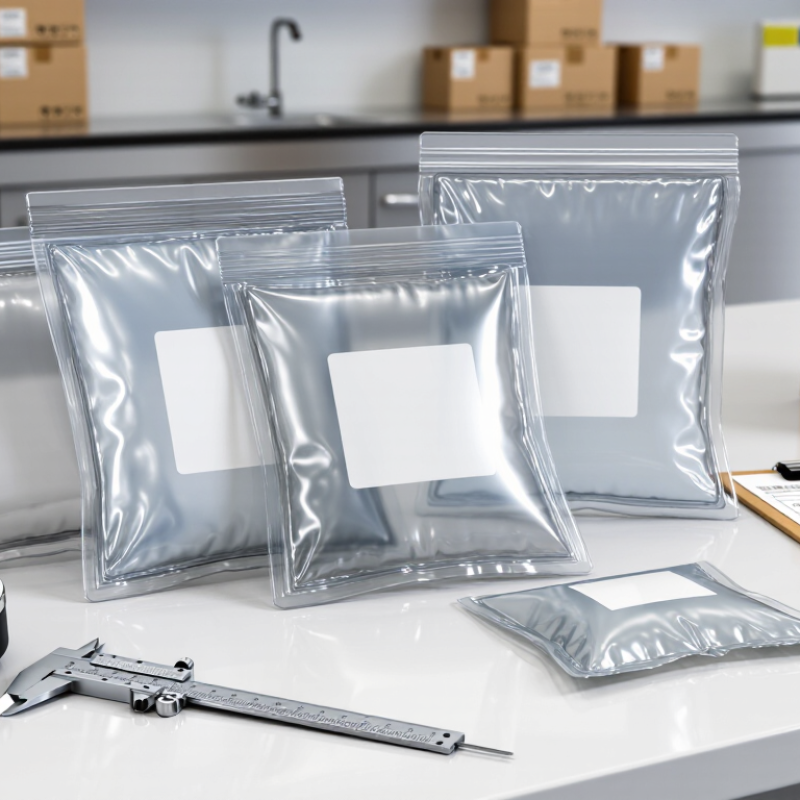
A 95 kPa specimen bag is a leak-resistant packaging component designed to withstand a pressure difference of 95 kilopascals without bursting or releasing liquid. It is commonly used to protect diagnostic specimens during storage and transport. The bag usually includes a strong multilayer film, a secure closure, and enough space for the specimen container and absorbent material. It should remain sealed after handling, even when placed in a cooler or moved through changing air pressure.
For buyers comparing China-based suppliers, technical evidence matters more than a polished catalog. Ask for pressure-test records, material specifications, seal-strength data, and production quality controls. A reliable supplier should explain whether the 95 kPa rating applies to the complete bag, the sealed compartment, or only a tested sample. That detail is easy to overlook.
Practical inspection helps. Check the zipper or heat seal, examine corners for weak points, and test several production batches. Clear labeling also reduces handling errors. The bag should fit the specimen container without excessive movement. In real use, oversized packaging can create unnecessary stress on the seal. No supplier avoids every manufacturing variation, so traceability and batch sampling remain important. A factory with documented procedures, trained inspectors, and responsive technical support offers stronger evidence of dependable performance.

A reliable China-based supplier of 95 kPa specimen bags must prove performance, not merely print “95 kPa” on a label. These bags should withstand a 95 kPa pressure differential without leakage, seam separation, or closure failure. In practical inspection, check the film thickness, weld width, zipper alignment, and rounded corners. Small defects matter. A transparent bag should remain readable after cold storage and routine handling. Clear identification areas reduce mix-ups.
Safety begins with controlled design and documented testing. Ask for pressure-test methods, sample sizes, acceptance criteria, and batch records. The inner bag should offer a secure, leak-resistant closure. The outer packaging should resist puncture and include suitable absorbent material when required. Packaging instructions should match applicable transport rules, such as UN 3373 requirements and current air-transport guidance. Don’t accept vague certificates. Verify issuing bodies, test dates, and product codes. A traceable supplier can investigate one failed lot quickly.
Material compatibility also deserves attention. Some films become brittle in low temperatures, while adhesives may weaken after repeated handling. Request samples, then test them with actual labels, gloves, and storage conditions. Production hygiene, worker training, and inspection records reveal more than polished photographs. One practical weakness is often overlooked: the bag may pass pressure testing but tear at the opening. That result deserves a design review, not a rushed shipment. Reliable sourcing depends on repeatable evidence, honest limitations, and communication when specifications change.
Top China 95 kPa Specimen Bag Supplier?
How to Evaluate Chinese 95 kPa Specimen Bag Suppliers
A reliable evaluation starts with the bag’s actual performance, not its product photos. Ask for independent test reports showing resistance at 95 kPa. Confirm the test method, sample size, sealing condition, and test date. Ask whether the result applies to each bag or only the complete packaging system. Small differences matter.
Inspect the material carefully. A suitable specimen bag should resist punctures, leaks, and pressure changes during transport. Request samples with different fill volumes. Check the zipper, heat seal, label area, and closure strength by hand. Ask about film thickness, raw material control, and production tolerances. The cheapest offer may hide uneven sealing.
Supplier reliability also depends on process discipline. Review factory certifications, inspection records, batch traceability, and corrective-action procedures. A remote audit helps, but an on-site visit reveals more. Observe clean work areas, storage conditions, and how operators handle finished bags. Communication matters too. Can the supplier explain failed tests clearly? Do they answer technical questions with evidence?
Request a small trial order before signing a large contract. Compare samples from separate production batches. Keep written specifications for dimensions, pressure performance, packaging, and labeling. No supplier file is perfect. I would also recheck test documents because dates, models, and sample numbers are sometimes inconsistent. That weakness deserves attention, not a polite assumption.
A reliable 95 kPa specimen bag supplier should prove performance, not merely describe it. In factory evaluations, I check sealing lines, film thickness, zipper alignment, and lot traceability. Each bag should withstand internal pressure testing without visible leakage. Small defects matter. A weak corner can compromise the whole package. Suppliers should provide test methods, sample records, and clear acceptance criteria. Independent laboratory reports add useful confidence, especially when results match production batches.
Manufacturing quality also depends on controlled processes. Look for documented inspections, calibrated testing equipment, and trained operators. ISO 9001 certification supports quality management, while ISO 13485 may be relevant for medical-device production. Certifications should remain current and verifiable. A certificate alone is not enough. Ask about audit scope, factory location, and certificate validity. I have seen impressive documents that explained little about daily production.
Customization can include bag dimensions, film structure, closure style, absorbent inserts, printing, and outer packaging. The supplier should confirm material compatibility before changing the design. Clear labels, barcode areas, and multilingual instructions can reduce handling errors. Request prototypes before approving mass production. They reveal practical problems, such as stiff seals or unreadable printing. No supplier is perfect, and my own inspection plan can miss things. That is why pre-shipment checks and retained samples remain important.
Choosing a 95 kPa specimen bag supplier in China requires more than comparing unit prices. Confirm the bag’s intended use, dimensions, closure design, and pressure performance. Ask for recent test reports, material specifications, and production photos. The reports should identify testing methods, sample quantities, and laboratory details. Vague certificates deserve questions.
Before ordering, request samples from the same production line used for mass manufacturing. Check seal strength, label adhesion, zipper movement, and leakage after handling. A small water test can reveal weak seams, but it cannot replace formal validation. Discuss minimum order quantities, tooling charges, lead times, and acceptable defect rates in writing. Clarify whether the quoted price includes inner packaging and inspection.
Shipping needs equal attention. Confirm carton dimensions, pallet details, export documents, insurance, and delivery terms before payment. Ask how the supplier protects bags from compression, moisture, and sharp carton edges. For regulated specimen transport, verify the packaging configuration against current destination rules and carrier requirements. Do not accept a general claim that the bag is “compliant.”
Supplier verification remains imperfect. A polished factory video proves little. Check the registered business details, factory address, production capacity, and references from comparable buyers. Arrange a third-party inspection when the order is important. Even then, errors can survive. Recheck the final sample, artwork, quantities, and shipping marks before release. That extra review may feel slow, but replacing rejected packaging costs more.
| Category | Data Dimension | Practical Specification or Benchmark | Recommended Evidence or Action |
|---|---|---|---|
| Product | Pressure requirement | The completed bag or pouch should demonstrate leak resistance at 95 kPa when the specification or transport procedure requires it. | Request a test report identifying the test method, pressure level, test duration, sample condition, and acceptance result. |
| Product | Common construction | A typical specimen bag uses a transparent plastic pouch, a secure closure, an external document pocket, and a separate absorbent-material compartment when required by the packing procedure. | Approve a production sample before placing a bulk order and inspect every functional component. |
| Product | Material options | Polyethylene or laminated plastic films are commonly used; the selected film should provide suitable puncture resistance, flexibility, transparency, and seal strength. | Confirm film structure, thickness, seal width, and compatibility with the intended specimen container and temperature range. |
| Product | Available size planning | Typical purchasing programs use several sizes, such as approximately 150 × 200 mm, 200 × 300 mm, and 300 × 400 mm, depending on the specimen container and paperwork. | Provide the maximum container dimensions, label area, and required internal clearance for quotation and sampling. |
| Product | Closure performance | The closure must remain secure during normal handling and must not compromise the pressure or leak-resistance performance of the sealed bag. | Perform opening, closing, pull, and leakage checks on samples from more than one production batch. |
| Ordering | Quotation information | A complete request should state size, material, thickness, closure type, printing, absorbent-material requirement, packing quantity, destination, and required documentation. | Use the same written specification when comparing several quotations to avoid comparing different products. |
| Ordering | Sampling process | A pre-production sample should be checked for dimensions, clarity, seal quality, closure function, pocket placement, labeling area, and packaging condition. | Sign an approved sample or drawing and make it part of the purchase order. |
| Ordering | Lead-time planning | A practical planning allowance is about 7–15 working days for standard production after sample approval and about 15–30 working days for customized printing, tooling, or special materials. | Obtain a written production schedule and confirm whether lead time starts after payment, artwork approval, or sample approval. |
| Quality | Inspection points | Inspect dimensions, film appearance, seal continuity, closure strength, print accuracy, contamination, carton count, and random bag leakage. | Define acceptance criteria before production and use an independent inspection or documented internal sampling plan. |
| Compliance | Transport application | For biological substances classified for transport, the bag is only one component of the packaging system; the applicable shipper, primary receptacle, absorbent material, secondary packaging, and outer packaging requirements must also be met. | Confirm the final packing configuration against the current requirements of the destination country and carrier. |
| Shipping | Typical transport choices | Courier or air freight is usually selected for samples and urgent small consignments; sea freight is generally more economical for larger, non-urgent orders. | Compare total landed cost, transit time, customs handling, carton volume, and delivery terms rather than freight price alone. |
| Shipping | Export packing | Use clean inner packaging, moisture protection where needed, strong export cartons, carton identification, and a packing list showing quantity and net or gross weight. | Request carton dimensions and shipping marks before dispatch to support freight and customs planning. |
| Supplier Verification | Business identity | The legal entity, registered address, business scope, bank account name, and contracting party should be consistent. | Request a current business registration document and verify the information through an official or reliable commercial database. |
| Supplier Verification | Factory capability | A capable producer should be able to explain film sourcing, bag forming, heat sealing, printing control, inspection procedures, traceability, and corrective actions. | Conduct a video audit, on-site audit, or independent factory assessment before a high-value order. |
| Supplier Verification | Document review | Relevant documents may include a specification sheet, test report, material declaration, quality-management records, batch inspection report, and product photos. | Check that documents identify the tested product, revision date, sample details, and issuing organization; do not accept generic certificates as proof of 95 kPa performance. |
| Commercial | Purchase-order controls | The order should define approved artwork, product revision, quantity tolerance, quality criteria, delivery term, inspection rights, packaging, and remedy for nonconforming goods. | Use a written purchase contract and retain the quotation, approved sample, drawings, test reports, and inspection records. |
| Risk Control | Payment and release | Avoid paying the full balance before production evidence or inspection when the order value and risk justify staged control. | Use traceable payment channels, confirm the beneficiary details, and link final payment to agreed production or inspection milestones. |