2025 How to Choose the Right 95 kPa Specimen Bag for Your Needs
In the laboratory and healthcare setting, the selection of the appropriate specimen collection and storage equipment is critical to ensuring the integrity of samples. The "95 kPa Specimen Bag" has emerged as a vital component in the efficient transportation and protection of biological specimens. With industry reports indicating an increase in regulatory compliance for sample handling, understanding the specifications and applications of these bags is paramount. According to data from recent market analyses, the specimen transport bag sector is anticipated to see a growth rate of over 5% annually, primarily driven by advancements in medical technologies and rising demand for safe sample storage solutions.
When choosing the right 95 kPa Specimen Bag, professionals must consider various factors, including material durability, seal integrity, and size compatibility with standard storage and transport systems. A well-designed specimen bag can not only safeguard samples from contamination but also minimize the risks of leakage and exposure to harmful substances. As the demand for reliable specimen handling continues to escalate, professionals are called to make informed decisions that align with both safety and efficiency standards in laboratory practices, ensuring compliance with health regulations while maximizing operational effectiveness.

Understanding the Importance of 95 kPa Specimen Bags in Healthcare
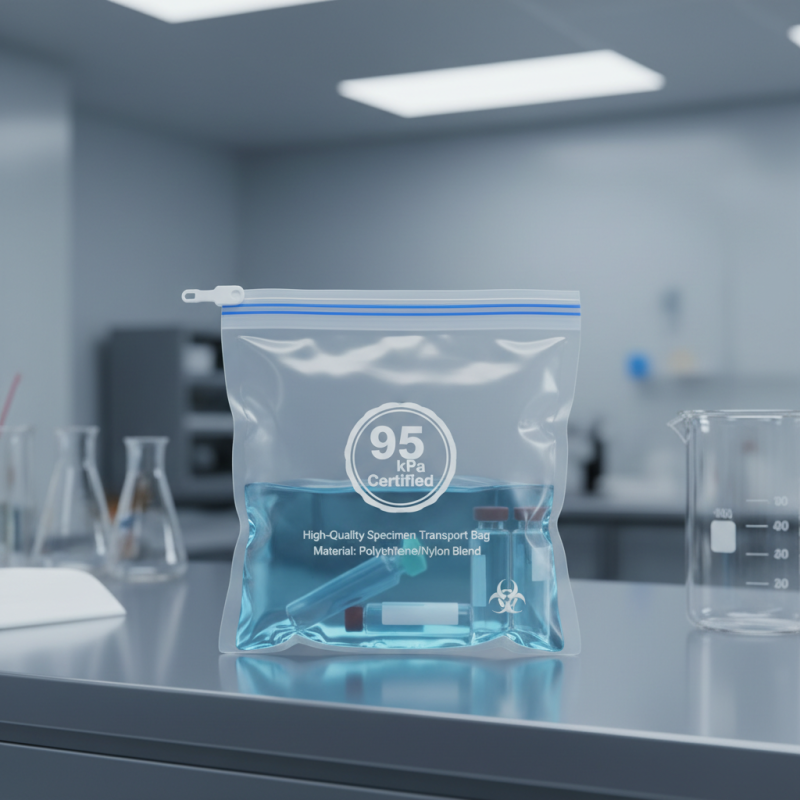
The significance of 95 kPa specimen bags in healthcare cannot be overstated. These bags are designed to ensure the safe transport and storage of biological specimens, which are vital for accurate diagnostics. With a reliable sealing mechanism that maintains a consistent pressure, 95 kPa specimen bags offer a protective barrier against contamination and environmental factors that could compromise sample integrity. This is crucial for laboratories and healthcare facilities where even minor contamination can lead to erroneous test results and misdiagnosis.
Furthermore, the choice of a suitable specimen bag directly impacts the efficiency of laboratory workflows. Specimen bags constructed with high-quality materials not only safeguard the samples but also facilitate ease of use during collection and transportation. Healthcare professionals must consider factors such as durability, clarity for easy visibility, and compatibility with existing laboratory processes when selecting specimen bags. Ultimately, investing in the right 95 kPa specimen bags not only enhances the safety of specimens but also promotes a streamlined approach to healthcare services, leading to better patient outcomes.
2025 How to Choose the Right 95 kPa Specimen Bag for Your Needs
| Feature |
Importance |
Recommended Use |
Material Type |
Weight Capacity |
| Sealing Mechanism |
Prevents contamination and maintains sample integrity |
Biological samples, patient samples |
Polyethylene, Nylon |
Up to 2 kg |
| Size Options |
Fits various sample sizes and types |
Multiple specimen types |
Standard sizes available |
Varies by size |
| Color Coding |
Easily identify and organize samples |
Sample tracking |
N/A |
N/A |
| Temperature Resistance |
Ensures sample viability during transport |
Transporting sensitive samples |
Treated materials for insulation |
N/A |
| Sterility |
Reduces risk of contamination |
Clinical and laboratory use |
Sterilized polyethylene options |
N/A |
Key Features to Consider When Choosing a Specimen Bag
When selecting a 95 kPa specimen bag, it’s essential to consider several key features that align with your specific needs. First and foremost, the bag's material is crucial. High-quality materials such as polyethylene or nylon can provide robust protection for specimens, ensuring they remain uncontaminated during transport. According to the International Journal of Environmental Research and Public Health, proper containment can reduce the risk of sample degradation by over 80%, making material choice vital for maintaining sample integrity.
Another important feature is the bag’s sealing mechanism. A reliable seal can prevent leakage, which is particularly important in laboratory settings. Bags equipped with double-zipper seals, for example, have been shown to offer enhanced security, reducing the chances of accidental spills. An industry report by Lab Manager indicates that mismanaged specimens due to inadequate sealing can lead to costly retesting, highlighting the financial implications of choosing the right specimen bag.
**Tips:** When evaluating specimen bags, always check for certifications that indicate compliance with safety standards. Additionally, consider the bag size and capacity to ensure it meets your specific requirements. Finally, assess the ease of use—bags that are easy to open and close can expedite processes, particularly in high-volume settings.
Assessing the Compatibility of Specimen Bags with Various Samples
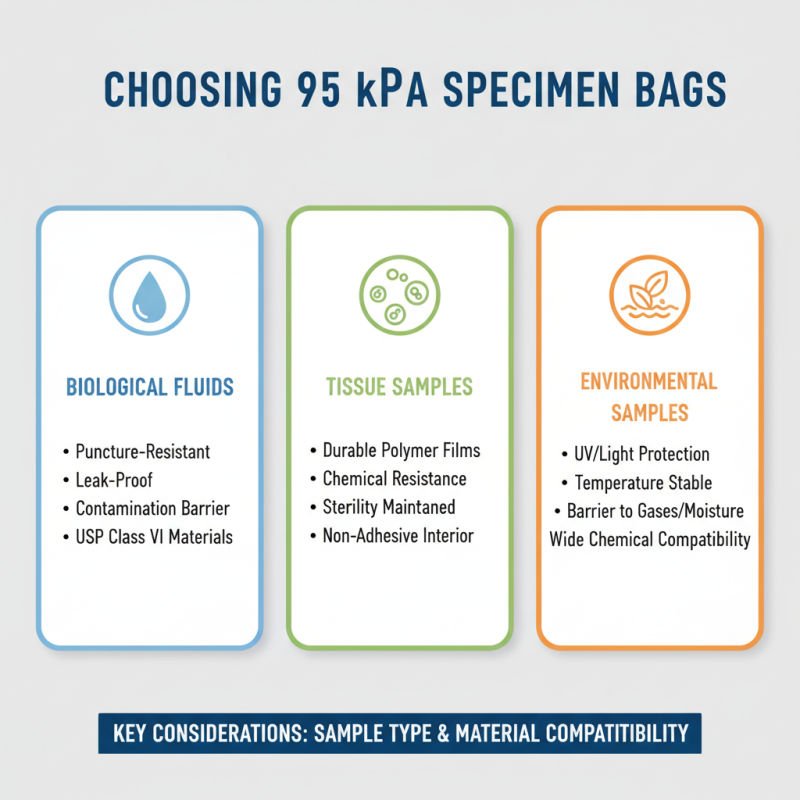
Choosing the right 95 kPa specimen bag involves a careful assessment of the compatibility of the bag materials with various types of samples. Different specimens, such as biological fluids, tissue samples, and environmental samples, require specific materials to avoid contamination and ensure accurate results. For instance, bags designed for biological samples should be made from materials that are resistant to punctures and leaks to maintain sample integrity and prevent cross-contamination.
Moreover, it is essential to consider the chemical compatibility of the bag with the sample being collected. Some samples may interact negatively with certain plastics, leading to degradation or chemical reactions that could compromise the sample. Therefore, performing compatibility testing with the intended specimen can help in selecting a bag that not only maintains the sample’s stability but also meets the specific storage and transport requirements. Understanding these factors will ensure that laboratory professionals can make informed decisions when selecting the appropriate specimen bags for their unique needs.
Evaluating the Cost-Effectiveness of Different Specimen Bag Options
When selecting a 95 kPa specimen bag, evaluating cost-effectiveness is crucial for making an informed decision. Different options on the market provide various features, but their prices can vary significantly. It is important to assess not just the initial purchase cost but also the total lifecycle cost, which includes storage, handling, and disposal expenses. Cheaper bags may appear attractive initially but could lead to higher costs in the long run if they are less durable or require more frequent replacement.
Moreover, the effectiveness of a specimen bag in preserving specimen integrity is vital. Investing in a higher-quality bag may save money by reducing the likelihood of costly errors or sample degradation that could occur with cheaper alternatives. A comprehensive cost-analysis should take into account potential losses from compromised specimens and the impact on downstream processes. By evaluating both immediate and long-term expenses associated with different specimen bag options, laboratories can make a choice that aligns with their budgetary constraints while ensuring reliable performance.
Best Practices for Storing and Handling Specimen Bags
When it comes to specimen bags, proper storage and handling are essential to ensure the integrity of your samples. It’s crucial to keep the bags in a controlled environment, as exposure to extreme temperatures or humidity can compromise the material of the bags and the specimens they contain. Ideal storage conditions typically involve a cool, dry place away from direct sunlight. For best results, always check the manufacturer's guidelines for specific temperature and humidity recommendations.
Tips:
- Always label specimen bags clearly with essential information, including the sample type, collection date, and any relevant handling instructions. This practice not only prevents mix-ups but also streamlines the process for anyone who handles the specimens later.
- Avoid over-packing the bags. Ensure that each specimen has enough space to avoid contamination or interference with the samples. This is particularly important for biological specimens that may need to be kept separate.
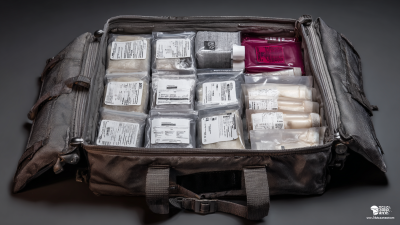
Handling is another key aspect to consider. Always wear appropriate personal protective equipment to minimize risk and ensure safety when dealing with specimens. When transporting specimen bags, use a sturdy carrier that can properly shield the contents from physical damage and environmental factors.

 +86 178 5514 5298
 CONTACT NUMBER
 CONTACT NUMBER