+86 178 5514 5298


Choosing the right biohazard transport bag is crucial for safety in medical and laboratory environments. Dr. Emily Turner, a leading expert in biohazard management, emphasizes, "The right transport bag can prevent exposure to hazardous materials." This statement highlights the critical role of proper containment.
Biohazard transport bags are designed to safely transport potentially infectious materials. Their durability and sealing capabilities are essential. For instance, many bags feature leak-proof zippers and puncture-resistant materials. These details make a significant difference in ensuring safety during transport. However, not all bags meet these stringent standards.
Furthermore, the challenge lies in selecting bags that comply with regulations. Some facilities may overlook this aspect. A misplaced assumption can lead to serious repercussions. Understanding the specifications of a biohazard transport bag is vital for minimizing risks. As awareness grows, it is clear that choosing the right products is not merely a procedural matter; it is a commitment to safety and responsibility.

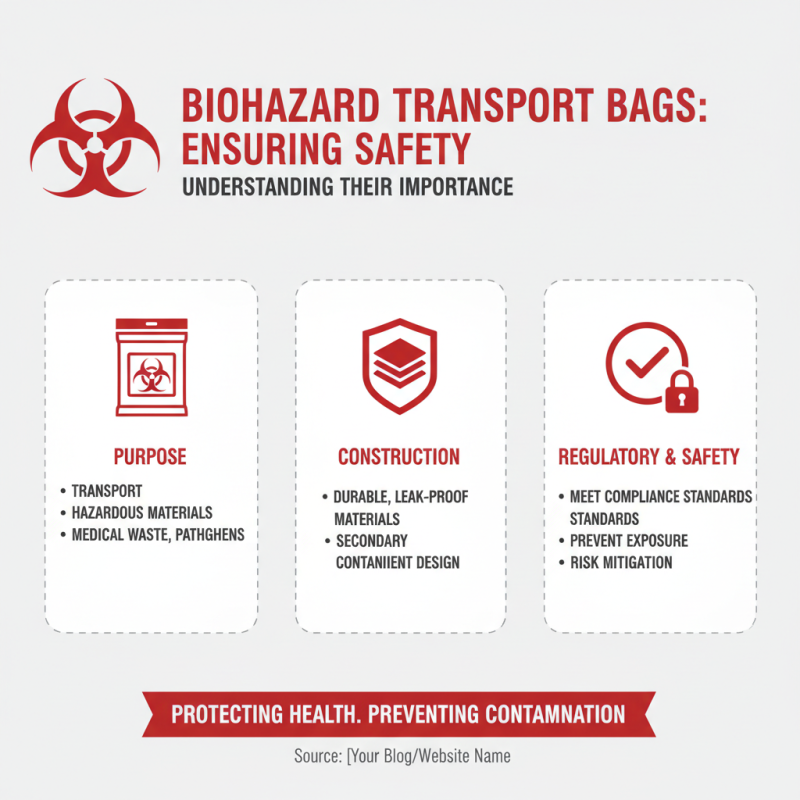
Biohazard transport bags are vital in ensuring safety. These bags are designed for transporting potentially hazardous materials, such as medical waste. Understanding their construction and usage can prevent exposure to dangerous pathogens. It’s essential to select a bag that meets regulatory standards, as this helps in risk mitigation.
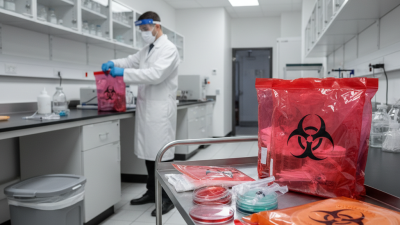
When choosing a biohazard transport bag, look for sturdy materials that are leak-proof. The bag should clearly display biohazard symbols. This visual cue alerts everyone to the contents, reducing accidental exposure. Pay attention to the size and durability of the bag. A compromised bag can lead to serious safety incidents.
Tips for effective use: Always double-bag items for added protection. Seal the outer bag securely to prevent leaks. Staff training on proper handling and disposal is crucial. Regular checks on bag integrity can help identify wear and tear. Reflecting on practices can lead to improved safety measures. Making small adjustments can significantly impact overall safety procedures.
When it comes to biohazard transport bags, safety is paramount. Selecting the right bag can protect both handlers and the environment. A crucial feature to consider is puncture resistance. Biohazard materials can be sharp or abrasive, and a strong bag prevents dangerous leaks. Look for bags made with high-quality materials that resist tearing and can endure various conditions.
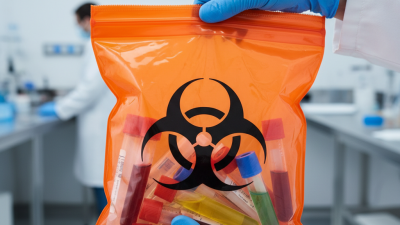
Another important aspect is visibility. Bright colors and clear labeling help alert individuals to the potential hazards. This feature is vital in busy environments, as it aids in proper handling. Additionally, the bags should be easy to seal. A secure closure keeps contents contained during transport. Some bags come with zip locks or adhesive strips, which are often more reliable.
It’s worth reflecting on the importance of user training. Even the best bag cannot guarantee safety without proper use. Staff should be educated on the right protocols for handling and transporting biohazard materials. Ultimately, combining quality bags with informed practices can significantly enhance safety measures in any facility dealing with biohazardous waste.
When selecting biohazard transport bags, compliance with regulations is paramount. Biohazard bags are critical for safely transporting hazardous materials. According to the U.S. Department of Transportation, these bags must meet specific standards to ensure safety. Non-compliance can lead to accidents and legal issues.
A key factor in assessing compliance is the bag's labeling. Proper labels inform handlers of the contents and potential hazards. The CDC emphasizes that using bags with clear hazard symbols minimizes risk during transportation. Organizations should regularly review their procedures to ensure that they meet the latest regulatory standards.
Tip: Always check the latest guidelines from regulatory bodies. It’s vital for your safety protocols.
Another important consideration is bag durability. Transport bags should withstand sharp objects and liquids. According to the Environmental Protection Agency, weak bags can leak, posing serious risks. This highlights the need for ongoing quality checks. Organizations can easily overlook bag integrity during busy times, placing staff at risk.
Tip: Implement routine inspections to catch any wear and tear early. It’s a simple step that greatly enhances safety.
In summary, compliance and durability are not just checklist items; they are essential to workplace safety. By prioritizing these aspects, organizations can better protect their employees and the environment.
When handling biohazard materials, safety is a top priority. Proper transport begins with selecting the right biohazard transport bag. These bags must be puncture-resistant and leak-proof. Using appropriate bags can prevent exposure to harmful agents during transit. Always check for any signs of damage before use. A compromised bag can lead to serious contamination.
Training staff on the best practices for handling biohazard materials is crucial. They should understand how to seal and label each bag correctly. A clear label quickly identifies the contents and level of hazard. Regularly review these protocols to ensure compliance and safety. Spontaneous improvements come from feedback and experience.
Transporting biohazard materials can be challenging. For instance, a rush can lead to mistakes, like mislabeling a bag. Reflecting on past incidents helps improve procedures. Consistent evaluation is valuable. Enhancing communication ensures everyone is on the same page. Creating a culture of safety makes handling biohazard materials less risky.
| Material Type | Bag Size (Liters) | Thickness (Microns) | Color Code | Recommended Use |
|---|---|---|---|---|
| Polyethylene | 5 | 50 | Yellow | Non-sharps biohazard waste |
| Polypropylene | 10 | 60 | Red | Sharps waste |
| Nylon | 15 | 80 | Blue | Chemical waste |
| PVC | 20 | 100 | Green | Biohazardous liquids |
| HDPE | 25 | 120 | Black | General biohazard waste |
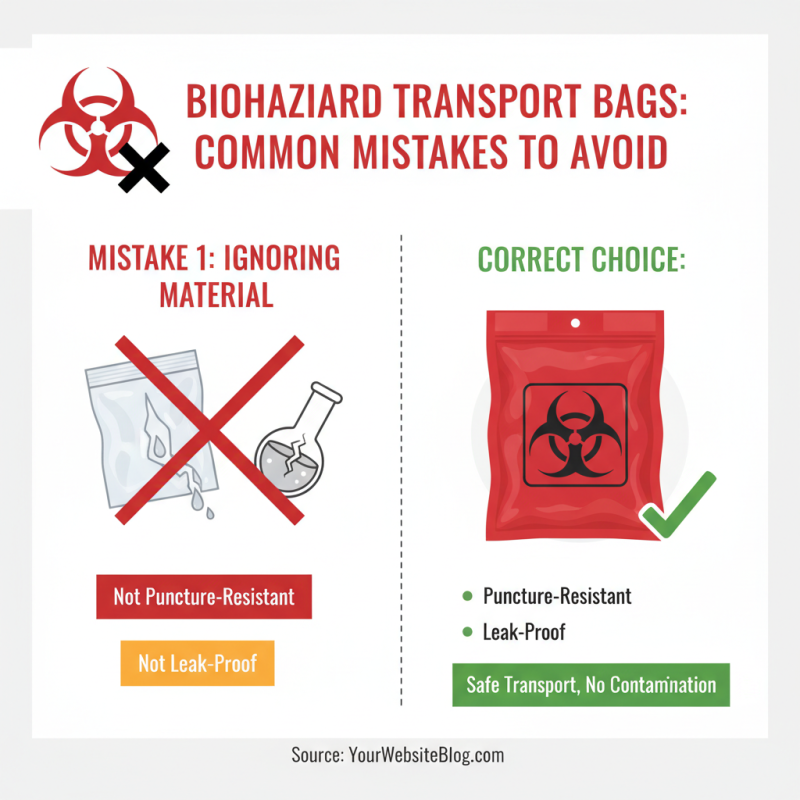
Choosing the right biohazard transport bag is essential for safety. Many make common mistakes when selecting these bags. One major error is overlooking the bag's material. Not all materials are suitable for containing hazardous substances. Ensure the bag is made of puncture-resistant and leak-proof materials. This can prevent contamination and ensure safe transport.
A second mistake is ignoring the bag size. Using a bag that is too small increases the risk of accidents. It may lead to spills and leaks during transport. Assess the volume of materials being transported to choose the right size. Oversized bags can also be an issue as they might not secure the contents properly.
Tips: Always check for clear labeling on biohazard bags. Proper labeling helps in quick identification and reduces handling mistakes. Additionally, consider bags with multiple compartments. This helps in organizing different items, thus preventing cross-contamination. Reflect on past experiences with transport bags. Learn from any mishaps to improve future choices.