Why Choose the Best Specimen Sleeve for Your Needs?
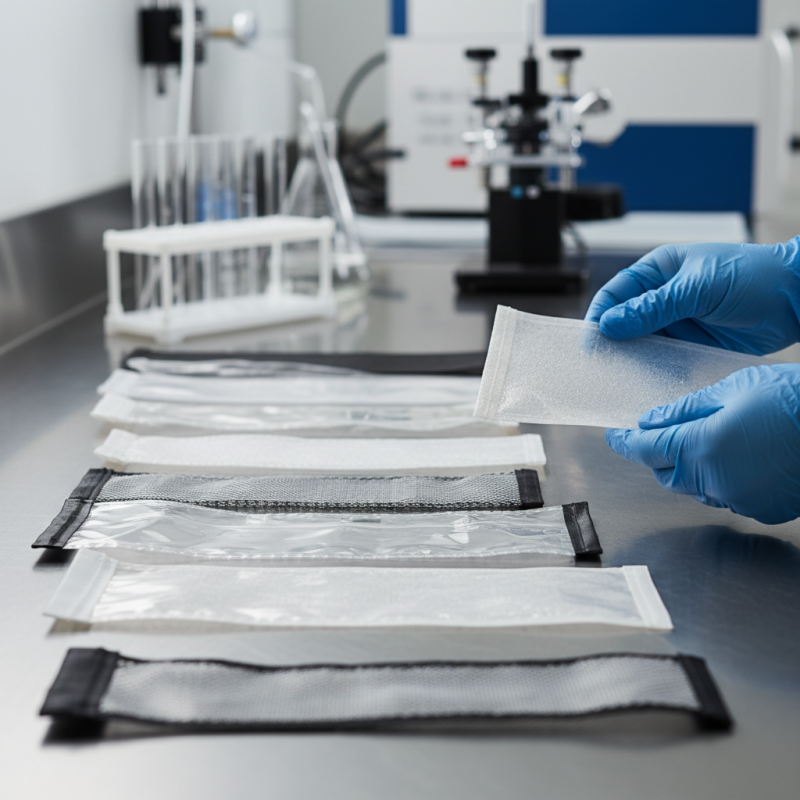
Choosing the right Specimen Sleeve can greatly impact your laboratory work. The quality of the sleeve influences specimen protection and integrity. A good sleeve is essential for maintaining accurate results in any testing process.
When selecting a Specimen Sleeve, consider material durability and compatibility with your specimens. Different sleeves serve various purposes. Not all sleeves provide the same level of protection. Thus, understanding your specific needs is critical for optimal performance.
In your quest for the best Specimen Sleeve, reflect on past experiences. Have previous choices led to issues? Learning from these can guide you toward better options. Ultimately, the right sleeve is more than just a vessel; it is key to reliable results and advancing your work.
Identifying the Purpose of Specimen Sleeves in Various Fields
Specimen sleeves serve multiple purposes across various fields, from healthcare to research. In clinical laboratories, they protect samples from contamination. Keeping specimens secure is crucial for accurate results. A well-chosen sleeve helps maintain the integrity of biological materials. For pathologists, using the right sleeves can be a matter of life and death.
In environmental studies, specimen sleeves play a role too. They ensure that samples collected from the field remain untarnished. In this context, durability is essential. The sleeves must withstand diverse conditions. Without reliable protection, data could be compromised.
However, choosing a specimen sleeve is not always straightforward. One may overlook specific needs like size or material. It’s important to consider these factors carefully. A sleeve that works well in one scenario may fail in another. Reflection on these details can lead to better choices in the future.
Key Features to Consider When Selecting Specimen Sleeves
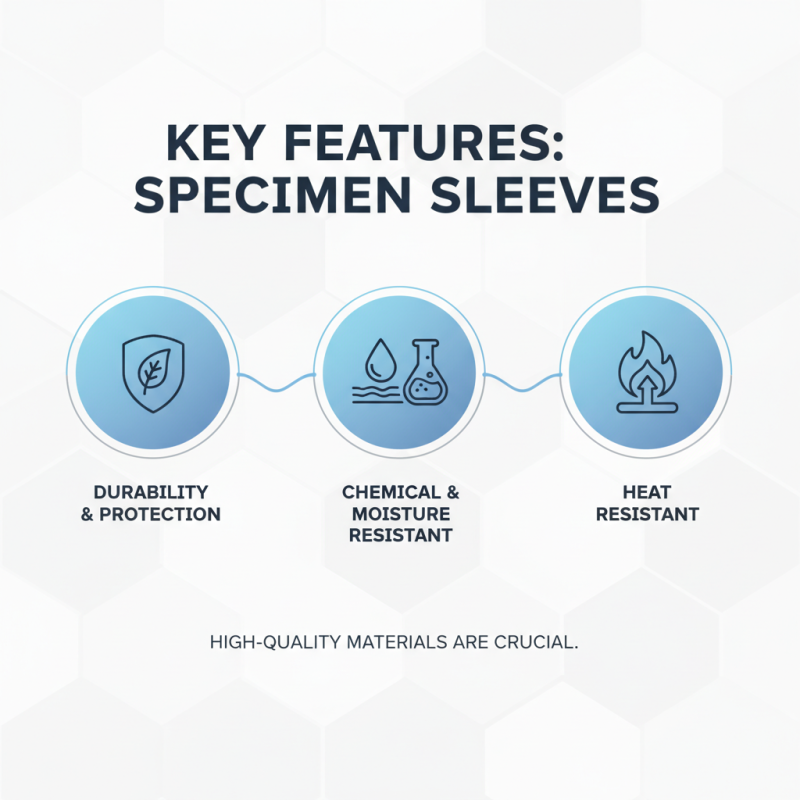
When selecting specimen sleeves, key features play a crucial role. First, the material used impacts durability and protection. High-quality materials prevent tearing and ensure that the specimen is safe from external elements. Consider options that are resistant to chemicals, moisture, and heat.
Size is another important factor. Specimen sleeves need to fit securely without being too loose or tight. This prevents specimen movement and potential damage. Measure your specimens carefully before making a choice.
Tips: Always test a small batch to ensure compatibility with your specimens. If you find imperfections, reflect on them. Your trials can improve future selections. Think about how color or transparency affects visibility. Sometimes, a simple change can enhance usability. Make your choice based on real needs, not just trends.
Comparing Materials: Plastic vs. Paper Specimen Sleeves
When selecting a specimen sleeve, the choice of material plays a vital role.
Plastic sleeves offer durability and resistance to moisture. They can protect specimens from tears and damage during transport.
Their transparency allows for easy identification of contents. However, over time, plastics may degrade and become brittle.
This can limit their long-term reliability, especially in harsh conditions.
On the other hand, paper specimen sleeves are biodegradable and environmentally friendly.
They provide a natural feel and can absorb moisture. However, they can be less durable and prone to tearing.
When wet, they may lose structural integrity and compromise the specimen within.
Balancing these factors is crucial for effective specimen handling.
Assess the environment and purpose before making a decision. Each material has unique pros and cons that deserve thoughtful consideration.
Assessing Size and Compatibility for Optimal Use
Choosing the right specimen sleeve is crucial for various applications in laboratories and medical settings. Size and compatibility are fundamental considerations. An ill-fitting sleeve can compromise specimen integrity, leading to inaccurate results. According to industry studies, 30% of errors in sample analysis stem from improper handling and storage.
Understanding the dimensions of your specimens is essential. For instance, a sleeve too small may damage fragile samples, while one that is overly large could fail to protect them adequately. Compatibility with storage systems is another factor to consider. Notably, 40% of laboratories reported issues due to mismatched sizing with their existing storage solutions.
Reflecting on these findings, it’s evident that selecting the best specimen sleeve involves careful evaluation. Many users overlook the nuances of size and fit. This oversight can lead to expensive mistakes or delays in research outcomes. Continuous assessment and learning from past errors can improve precision in specimen handling. Using the right sleeve can make a significant difference in achieving reliable results.
Assessing Specimen Sleeve Sizes and Compatibility
This chart illustrates the compatibility scores of different specimen sleeve sizes, helping you assess which sleeve could best meet your needs based on size and usability.
Evaluating Cost-Effectiveness and Durability of Specimen Sleeves
When selecting specimen sleeves, cost-effectiveness and durability are critical factors. A well-made sleeve can protect sensitive materials while being budget-friendly. Look for materials that resist wear and tear. This ensures the sleeve lasts longer and requires fewer replacements.
Tips: Check reviews and ask for recommendations on sleeves. Sometimes, the cheapest option isn't the best in the long run.
Durability is not just about the material. It also involves how the sleeve performs under stress. A stiff sleeve might crack easily, while a flexible one can offer more longevity. Understand your specific needs. If you handle specimens frequently, investing in a durable sleeve is wise.
Tips: Experiment with different types to find what fits your workflow. Don't hesitate to switch if your current choice isn't meeting your expectations.

 +86 178 5514 5298
 CONTACT NUMBER
 CONTACT NUMBER