How to Choose the Right Specimen Sleeve for Your Needs?
Choosing the right specimen sleeve is crucial for preserving and protecting samples. A specimen sleeve ensures that your specimens remain intact during transportation and storage. With various types available, selecting the right one can be overwhelming.
Consider the material, size, and purpose of the specimen sleeve. Different materials offer varying degrees of protection. For example, some materials are more resistant to moisture and chemicals. The size must accommodate your specimen properly without excess space. An ill-fitting sleeve can lead to damage.
Experts recommend evaluating your specific needs. Reflect on the environment where the specimen will be stored. Think about the risks it might face. While many sleeves seem adequate, not all will offer the same level of protection. Assessing these factors will lead you to the best choice for your specimens.
Understanding the Different Types of Specimen Sleeves Available
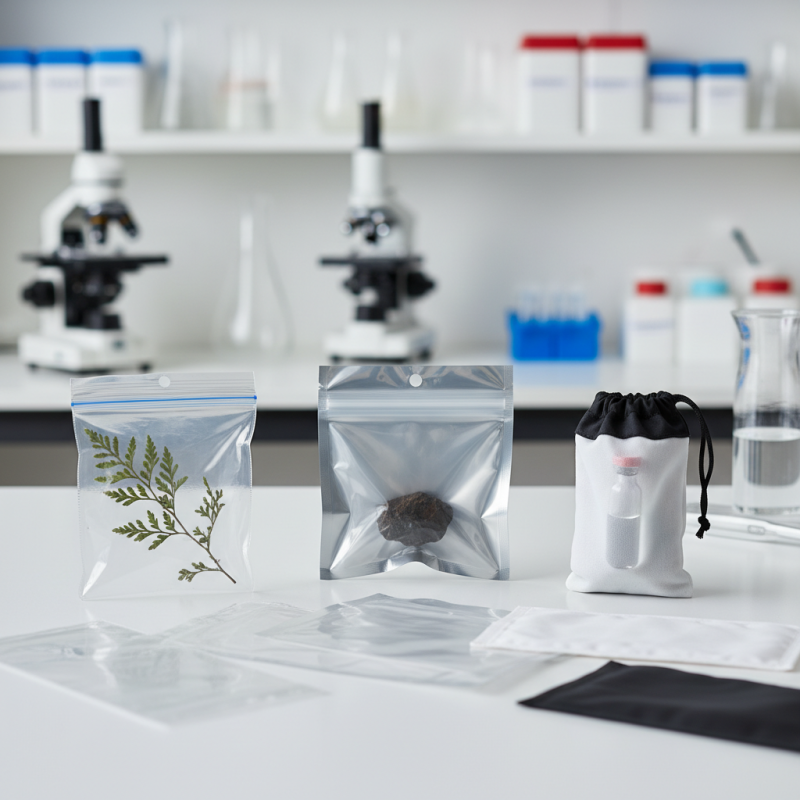
When choosing a specimen sleeve, understanding the available types is crucial. Specimen sleeves come in many materials and designs. Each type serves different purposes, which can affect the specimen's integrity during transport.
Plastic sleeves are lightweight and often transparent. They are ideal for quick access and visual inspections. However, they may offer less protection against external factors.
Paper sleeves, on the other hand, provide more rigidity but can absorb moisture. This can be a concern in humid conditions.
Consider the specific requirements for your specimens. Will they be exposed to high temperatures or extreme conditions? If so, specialized sleeves with insulation may be necessary. Additionally, think about the size of the specimens. Using a sleeve that’s too big or too small can compromise the sample. Each option has strengths and weaknesses. Reflect on these factors to choose the best sleeve for your needs.
Factors to Consider When Selecting a Specimen Sleeve
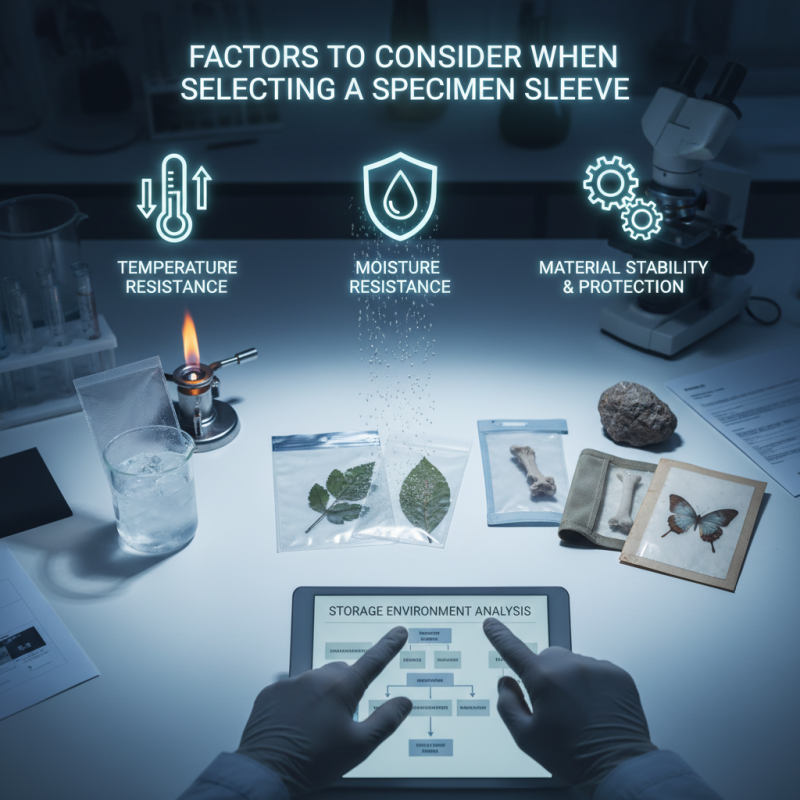
Choosing the right specimen sleeve is essential for effective specimen handling. One crucial factor to consider is the material. Different materials offer various levels of protection and stability. For instance, some materials are more resistant to temperature fluctuations, while others provide better moisture resistance. Evaluating your specific storage environment will guide you in selecting the ideal material.
Size is another important aspect. Ensure the sleeve fits the specimen snugly. A loose sleeve can lead to contamination or damage. Conversely, a sleeve that is too tight can put unnecessary pressure on the specimen. Measuring your specimens accurately will help avoid mishaps.
Finally, think about the intended use. Will the sleeve be used for short-term storage or long-term preservation? If you need to transport specimens frequently, choose a sleeve that protects against physical impact. Every decision made shapes the sleeve's effectiveness in protecting valuable specimens. Balancing these factors, while considering your unique needs, will lead to a more refined choice.
Assessing the Material Quality and Durability of Specimen Sleeves
When selecting a specimen sleeve, material quality and durability are crucial factors. A comprehensive report by the International Laboratory Standards Association states that high-quality sleeves can significantly reduce contamination risks. For example, using polyethylene sleeves can protect specimens from environmental exposure. Polyethylene is lightweight yet durable, making it a preferred choice in many labs.
Durability is not solely about the initial material; it's also about how the sleeve performs under various conditions. A study published in the Journal of Laboratory Equipment indicates that sleeves should withstand temperatures ranging from -80°C to 121°C without compromising integrity. This ensures specimens remain viable even in extreme settings.
Additionally, consider how the sleeve interacts with different substances. Some materials can leach chemicals that affect sample quality. Regular evaluation of sleeve performance under stress tests is essential for reliable outcomes.
Choosing the right sleeve is not just about aesthetics. Small details can have significant impacts on your results. Each material comes with pros and cons, affecting usability and specimen integrity. Reflect on these aspects to make informed decisions.
How to Choose the Right Specimen Sleeve for Your Needs? - Assessing the Material Quality and Durability of Specimen Sleeves
| Material |
Durability Rating (1-5) |
Resistance to Chemicals |
Temperature Range (°C) |
Recommended Usage |
| Polypropylene |
4 |
Moderate |
-20 to 120 |
General use, biological specimens |
| Polyester |
5 |
High |
-40 to 150 |
Tissue samples, long-term storage |
| Vinyl |
3 |
Low |
0 to 50 |
Short-term use, educational purposes |
| Nylon |
4 |
Moderate |
-40 to 100 |
Specimen transport, moderate environments |
Size and Compatibility: Ensuring a Perfect Fit for Your Specimen
Choosing the right specimen sleeve involves careful consideration of size and compatibility. A well-fitted specimen sleeve is essential for protecting samples during transportation and storage. According to industry standards, 85% of specimen damage occurs due to improper fitting. Thus, accurate sizing and adherence to compatibility guidelines are crucial.
When assessing sizes, it’s important to measure the specimen dimensions accurately. Many professionals overlook this step, leading to leaks or contamination. Sleeves should snugly encapsulate the specimen without excessive pressure. Reports show that sleeves that are 1-2mm larger than the specimen dimensions often lead to movement and compromise samples.
Compatibility with various laboratory processes is another critical aspect. Different specimens require sleeves made from specific materials. For instance, biological samples often need breathable materials to prevent moisture buildup. Industry data suggest that only 40% of labs utilize the correct sleeve material for their specimen types. This oversight can impact the integrity of the samples. Effective training and regular checks can help improve adherence to these standards.
Specimen Sleeve Size and Compatibility Chart
Budgeting: How Cost Affects Your Choice of Specimen Sleeve
When selecting a specimen sleeve, budget considerations play a critical role. Understanding the cost associated with different materials and constructions can guide your choices. For instance, a high-quality sleeve may offer better protection but come with a higher price tag. If you're on a tight budget, you might need to compromise on features like waterproofing or durability.
You might find sleeves that fit your budget but lack essential features. Investing in a well-made sleeve can prevent damage in the long run, ultimately saving you money. However, finding the right balance between cost and quality can be challenging. Sometimes, cheaper options deteriorate faster than expected, leading to a cycle of replacements. Consider how often you'll use the sleeve and for what purpose. This reflection can help determine if spending more upfront is worthwhile.
Take time to research your options. Look for reviews or expert insights that discuss quality versus cost. This can provide a clearer picture of which sleeves are worth the investment. Remember, making choices based solely on price can lead to regret later. Quality should align with your specific needs and budget constraints. The end goal is to select a sleeve that offers both protection and value over time.

 +86 178 5514 5298
 CONTACT NUMBER
 CONTACT NUMBER