How to Choose the Right UN 3373 Pouch for Your Needs?
Choosing the right UN 3373 pouch can be a daunting task. With various options available, it's essential to focus on specific needs. This decision impacts the safe transport of biological materials.
When selecting a UN 3373 pouch, consider the intended use. Different materials and sizes may suit different types of specimens. It's also crucial to validate that the pouch complies with safety regulations. Often, users overlook details such as zippers or seals. These features can greatly impact the pouch's reliability.
Reflect on previous experiences. Did prior pouches meet your expectations? Analyzing past choices helps in making informed decisions now. Investing time in research can lead to better choices later. Ultimately, the goal is to ensure safety and compliance while addressing your specific requirements.
Understanding the Importance of UN 3373 Pouches in Transporting Specimens
When transporting biological specimens, the use of UN 3373 pouches is critical. These pouches are designed to meet stringent safety regulations. According to the World Health Organization, nearly 10% of laboratory specimens are damaged during transit. Proper use of UN 3373 pouches can significantly reduce this number.
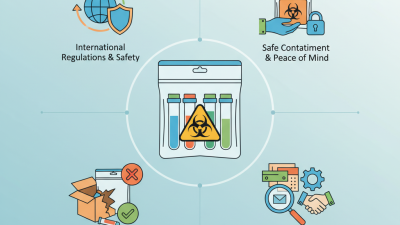
UN 3373 pouches ensure compliance with the international packaging regulations for dangerous goods. They serve as an essential barrier against leaks and contamination. A report from the Centers for Disease Control and Prevention indicated that over 70% of specimen transport issues arise from inadequate packaging. A reliable pouch protects the integrity of the specimen and safeguards public health.
Selecting the right pouch requires understanding your specific needs. Consider the size and type of specimens. Ensure the pouch is constructed with quality materials suitable for your samples. Many buyers overlook the details, which can lead to unnecessary risks. A pouch that does not meet your requirements may compromise the specimen’s stability. This can result in costly losses and delays in results. Always prioritize safety features to enhance overall transport reliability.
Key Features to Look for in UN 3373 Pouches
When selecting a UN 3373 pouch, prioritize key features that ensure safety and compliance. One vital aspect to consider is the material. Look for pouches made from durable, puncture-resistant materials. These can withstand pressure and external damage, which is crucial for transporting biological samples. The closure system is equally important. Secure zippers or seals prevent leaks during transport, maintaining the integrity of the contents.
Another essential feature is the size and compartmentalization of the pouch. Choose a size that suits your transport needs without being bulky. Compartments help organize different samples, preventing cross-contamination. Consider whether the pouch has external pockets for additional labeling or paperwork, enhancing organization during transit.
Tips: Ensure the pouch meets all relevant regulations in your area. Regularly inspect your pouches for wear and tear. This practice guarantees they remain reliable over time. Don't hesitate to consult experts or users for recommendations on optimal choices. The right pouch makes a difference in safe transport.
Material and Construction: Choosing the Right Fabric for Your Needs
When selecting the right UN 3373 pouch, material and construction play crucial roles. The fabric should be durable yet flexible. A lightweight option can enhance ease of transport. Check the thickness of the material. Thicker fabrics might offer better protection but can add weight.
Consider water resistance. Some materials repel moisture, which is vital for transporting sensitive items. Breathability is another factor. A breathable pouch reduces the risk of condensation buildup. Look for zippers and seams as well. These components should be sturdy and securely attached. High-quality stitching is essential to prevent leaks.
Reflect on your specific requirements. Do you need extra padding? Is a clear window necessary for labeling? Availability of features can vary widely. This unpredictability can lead to challenging choices. Make time to compare options thoroughly. It's easy to overlook small details, but they matter. Each choice influences your pouch's overall effectiveness.
How to Choose the Right UN 3373 Pouch for Your Needs? - Material and Construction: Choosing the Right Fabric for Your Needs
| Fabric Type |
Properties |
Suitability |
Care Instructions |
| Nylon |
Durable, lightweight, water-resistant |
Good for outdoor use and transport |
Machine wash cold, hang to dry |
| Polyester |
Strong, quick-drying, UV resistant |
Ideal for long-term storage, indoors or out |
Wash with similar colors, tumble dry low |
| Canvas |
Heavy-duty, breathable, waterproof treatment available |
Excellent for heavy items and rugged environments |
Spot clean or hand wash |
| Cotton |
Soft, breathable, biodegradable |
Suitable for non-hazardous material transport |
Machine wash warm, avoid bleach |
| PVC Coated Fabric |
Waterproof, strong, easy to clean |
Best for liquid transport or wet environments |
Wipe clean with damp cloth |
Size and Capacity Considerations for UN 3373 Pouches
When selecting the appropriate UN 3373 pouch, size and capacity are crucial factors. UN 3373 pouches are designed for the safe transport of biological substances. According to the International Air Transport Association (IATA), the right sizing prevents leakage and enhances safety. These pouches typically come in various sizes, accommodating different transport needs. A small pouch might hold 100 milliliters, while larger options can contain up to 1 liter, ensuring compatibility with various specimen types.
Measurement standards from industry reports suggest that 60% of shipping incidents occur due to improper packaging. Therefore, ensuring the selected pouch fits your specific requirements is vital. For instance, if dealing with samples for laboratory analysis, it may be wise to choose a pouch that allows for extra space. This can aid in packing additional materials, such as absorbents or cushioning layers, enhancing overall protection against rupture or breaks.
Another consideration involves the capacity to stack and store these pouches. Reports indicate that nearly 40% of transport challenges stem from inadequate storage solutions. Opt for pouches that allow for efficiency in packing and handling. Not every choice will meet every need perfectly. Reflecting on these details can lead to more informed decisions in choosing the right UN 3373 pouch for your specific applications.
Capacity Considerations for UN 3373 Pouches
Compliance and Certification: Ensuring Your Pouch Meets Regulations
Compliance with UN 3373 standards is critical for transporting biological substances safely. When choosing the right pouch, focus on its compliance with applicable regulations. Pouches must resist punctures and leaks. This ensures safe handling in transit. Check if the pouch meets the packaging instructions specified by the regulations.
Certification is another key factor. A certified pouch provides assurance that it has passed rigorous tests. This includes stress tests and environmental conditions similar to those faced during transport. Verify that the manufacturer provides relevant documentation. This adds to the pouch’s credibility.
It’s worth noting that not all pouches labeled as compliant are equally reliable. Some may lack comprehensive testing or documentation. Ensure you do thorough research on your selected pouch. Understanding what makes a pouch reliable can save you from costly mistakes. A trusted pouch protects not just the samples, but also the people handling them.

 +86 178 5514 5298
 CONTACT NUMBER
 CONTACT NUMBER