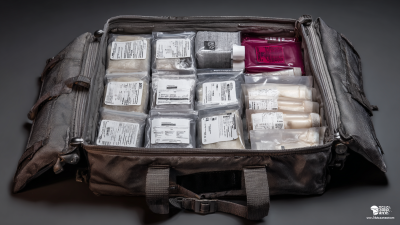
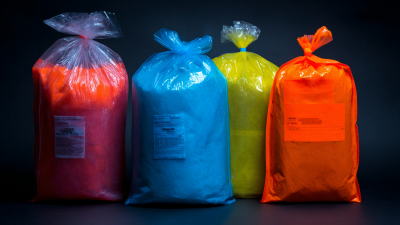
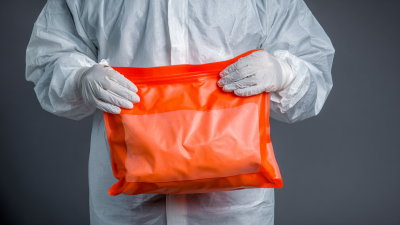
2026 How to Choose Biohazard Specimen Transport Bags?
The safe transport of biohazard specimens is critical in healthcare and research. According to a report by the Centers for Disease Control and Prevention (CDC), improper transport can lead to contamination and pose serious risks to public health. This underscores the need for reliable biohazard specimen transport bags.
In recent years, the demand for these bags has increased significantly, reflecting a growing awareness of biosecurity. The global market for transport bags is projected to surpass $1 billion by 2026. Manufacturers must prioritize quality, durability, and compliance with regulations. Each bag plays a vital role in safeguarding specimens during transit, which is often overlooked.
Consulting recent studies reveals that improper packaging can result in specimen degradation. While many bags claim to meet standards, a closer look shows inconsistencies in material quality. Consequently, stakeholders must critically assess their options. Choosing the right biohazard specimen transport bags is not just a matter of compliance; it is a commitment to safety and integrity in the medical field.
Understanding Biohazard Specimen Transport Bags: Key Features
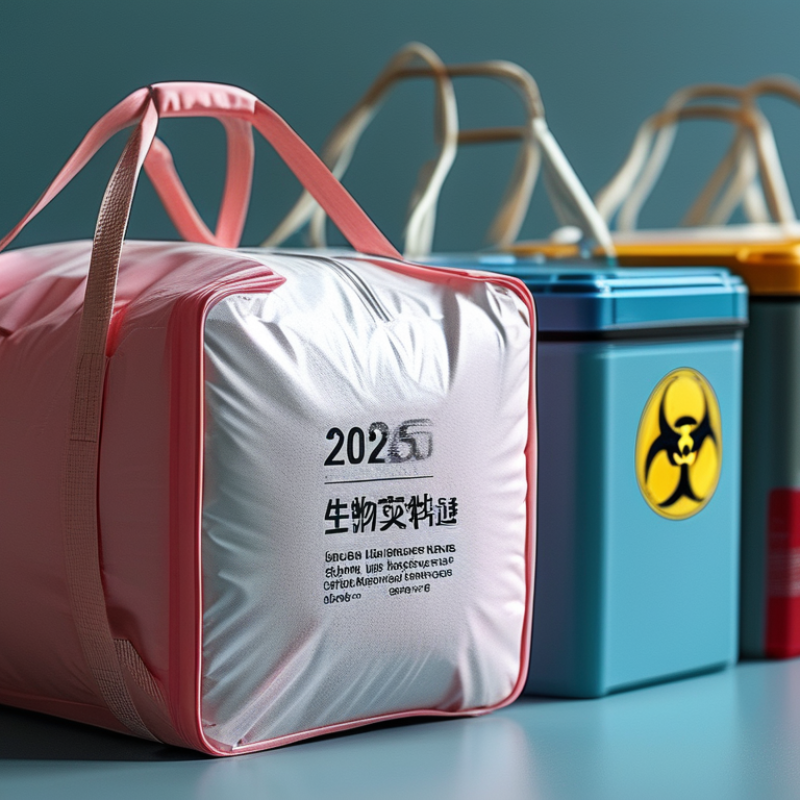
When selecting biohazard specimen transport bags, understanding their key features is crucial. These bags must provide adequate protection against contamination. According to the Biohazard Safety Protocols, bags should be puncture-resistant and leak-proof. This is essential to prevent any exposure to biological materials.
The thickness of the bag is another critical aspect. Research shows that thicker materials reduce the risk of tears and rips. For example, a thickness of at least 2 mils is recommended for enhanced durability. Some specifications suggest that bags with reinforced seams further improve integrity. Choosing the right seal type, such as zip-locks or heat seals, is also important. It ensures that specimens remain secure during transport.
Furthermore, labeling is a key element that should not be overlooked. The World Health Organization emphasizes clear, visible labeling to indicate the biohazard status. This not only aids in compliance with safety standards but also enhances the transport process. It's important to consider that while bags with complex features may seem efficient, simple bags can often do the job too. Reflecting on the balance between functionality and cost can lead to more effective choices.
Types of Biohazard Specimen Transport Bags Available on the Market
Choosing the right biohazard specimen transport bags is crucial for safety and compliance. Various types are available, catering to different needs. These bags are typically classified into three main types: single-layer, double-layer, and puncture-resistant.
Single-layer bags are efficient for low-risk specimens. However, they offer minimal protection.
Double-layer bags provide enhanced security, safeguarding against leaks. They are ideal for most laboratory samples.
Puncture-resistant options are best for sharp or heavy items. They prevent any accidental punctures during transport.
When selecting a bag, consider the material. Many are made from polyethylene or polypropylene. Check for thickness, as thicker materials offer better protection. Always look for bags that meet applicable safety standards. Verify labels for reliability and certifications. This ensures safe handling throughout transportation.
Tips: Always inspect bags for any visible damage before use. A small tear can lead to contamination. Also, keep bags sealed tightly. This prevents any spills. If involved in transporting biohazardous materials, training staff is essential. They must understand proper handling procedures. Regularly monitor your supply to avoid shortages.
Regulatory Standards for Biohazard Specimen Transport Bags
When selecting biohazard specimen transport bags, understanding regulatory standards is crucial. These standards ensure safety and compliance in handling potentially infectious materials. In many regions, guidelines from health departments and environmental agencies dictate the materials and features of these bags. For example, bags must be leak-proof and puncture-resistant to prevent contamination during transport.
The labeling of these bags is also important. They should display biohazard symbols clearly. This ensures that anyone handling the bags understands the risks involved. Compliance with these regulations can be complex. Some facilities may find it challenging to keep up with changing standards. Regular training and updates are essential.
Moreover, the design of transport bags can impact their effectiveness. Many bags feature multiple layers for added protection. However, not all bags provide adequate cushioning against impact. It’s crucial to assess both the material used and the bag's construction. This analysis can help in selecting a reliable option. Regular reviews of transport practices can reveal areas for improvement and enhance overall safety.
2026 How to Choose Biohazard Specimen Transport Bags? - Regulatory Standards for Biohazard Specimen Transport Bags
| Dimension |
Material |
Regulatory Standards |
Features |
Application |
| 9"x12" |
Polyethylene |
OSHA, DOT |
Leak-proof, Biohazard symbol |
Transporting blood samples |
| 12"x15" |
PVC |
IATA, CDC |
Tamper-evident seal |
Transporting clinical specimens |
| 6"x9" |
HDPE |
ISO 15189 |
Color-coded |
Transporting small specimens |
| 10"x14" |
Multi-layer |
EPA |
Reflective properties |
Environmental samples |
| 8"x10" |
Nylon |
CLIA |
Heat-sealed |
Transporting pathogens |
Factors to Consider When Selecting Transport Bags for Specimens
Choosing the right biohazard specimen transport bags requires careful consideration of several factors. The material of the bag is crucial. It should be durable and resistant to punctures. Bags made from high-quality plastic often ensure better protection during handling and transport. Consider the size of the specimen too. A bag that is too large may cause specimens to shift, while a bag that is too small can result in spillage.
Another factor is the sealing mechanism. A secure seal reduces the risk of contamination and leaks. Look for bags with zip closures or heat seals. These features provide additional security. Visibility is also key. Transparent bags allow for easy identification of contents without opening them. This can streamline processes in a busy lab environment.
Lastly, it's important to think about labeling. Clear labeling helps track specimens and prevents mix-ups. Ensure that the bags you choose have adequate space for all necessary information. Keep in mind that not every bag will meet your needs. Regular evaluation of your selection process can lead to better decisions over time.
Best Practices for the Safe Use of Biohazard Specimen Transport Bags
When using biohazard specimen transport bags, safety is paramount. The World Health Organization (WHO) emphasizes that improper handling can lead to contamination risks. It's crucial to select bags that meet regulatory standards, ensuring that they are leak-proof and puncture-resistant. These factors contribute to minimizing exposure to hazardous materials during transport.
Training staff is essential. A study from the Centers for Disease Control and Prevention (CDC) indicates that 30% of reported incidents stem from human error. Regular training sessions can improve knowledge of best practices for safely handling and transporting specimens. Labeling bags clearly with biohazard symbols can also prevent misunderstandings and accidents.
Adhering to specific protocols remains a challenge in many facilities. For example, in a 2022 report, 15% of labs reported using bags not compliant with industry standards. This oversight can significantly increase risks. Implementing regular audits of transport practices can identify areas for improvement. Continuous refinement in processes can lead to safer outcomes and better compliance with safety regulations.

 +86 178 5514 5298
 CONTACT NUMBER
 CONTACT NUMBER