2026 How to Choose the Best Specimen Transport Bag?
Choosing the right Specimen Transport Bag is crucial for ensuring the safety and integrity of biological samples. It can be challenging to find one that meets all necessary requirements. Various factors need consideration, including material durability, size, and sealing methods. The wrong choice can lead to sample contamination or loss.
Consider how transportation conditions can affect samples. A bag that's not suited for cold temperatures may result in compromised specimens. Look for features that offer insulation or temperature control. It's also essential to think about the bag's ease of use. A complex design can slow down processes during urgent situations.
Some bags may fail to provide adequate protection during handling. Reflecting on your experiences can lead to better decision-making in the future. When selecting a Specimen Transport Bag, balance functionality with reliability. Your choice can significantly impact laboratory results and patient outcomes.

Understanding the Importance of Specimen Transport Bags
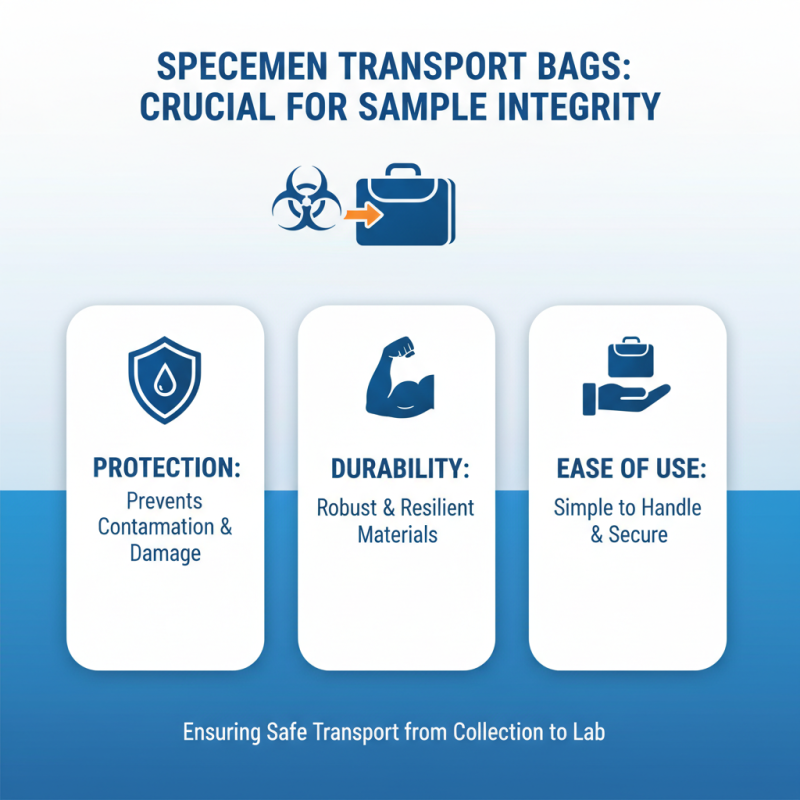
When it comes to transporting specimens, the choice of bags is crucial. Specimen transport bags protect samples from contamination and damage. They must be durable and easy to handle. The right bag keeps specimens safe during transportation.
Choosing a bag is not as simple as it seems. Users often overlook factors like size and sealability. A bag that is too small can compromise the sample. A weak seal can lead to leaks. These mistakes can cause data loss or inaccurate results. Consider the type of specimen when selecting a transport bag.
**Tips:** Always check the bag’s material. It should resist punctures and tears. Look for bags with clear labeling spaces. They help in identifying samples quickly. Ensure the bags meet any regulatory requirements in your area. This attention to detail can prevent costly errors in the lab.
Key Features to Consider When Selecting a Transport Bag
When choosing a specimen transport bag, consider key features carefully. The size of the bag is important. It should fit various specimen sizes without damaging the contents. Look for materials that provide durability and waterproofing. This prevents leaks and protects samples from contamination.
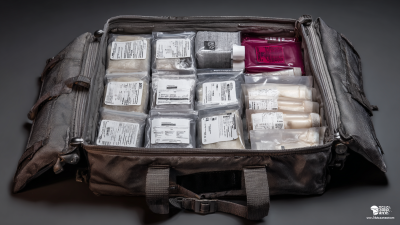
Ventilation is another factor. Some specimens require airflow to remain fresh. If the bag is too airtight, it can lead to degradation. Pockets and compartments can help organize different types of samples. This keeps everything in place during transport.
Easy-to-use closures are also crucial. Zippers, snaps, or Velcro should be reliable and user-friendly. Examine the bag's handles for comfort and strength. Once the bag is filled, carrying should feel secure. Reflect on these elements during your choice process, as overlooking them could lead to significant issues. Make sure to prioritize your needs over aesthetics.
Types of Specimen Transport Bags Available on the Market
When selecting a specimen transport bag, understanding the types available is crucial. Primarily, there are three main categories: disposable bags, reusable bags, and biohazard bags. Disposable bags are often used for single-use applications. They ensure contamination control but can contribute to environmental waste. Reusable bags, on the other hand, are eco-friendly. They often withstand multiple uses and may save costs in the long run. Biohazard bags are designed for the safe transport of hazardous materials. They feature strong seals and the ability to contain leaks effectively.
Each type of bag has specific applications. For instance, biohazard bags must meet standardized regulations to protect health workers. According to recent industry reports, about 35% of laboratories prefer reusable options due to lower long-term costs. Yet, some facilities still question their safety after multiple uses. It’s imperative to evaluate the material and durability of each bag type.
Tips: Always verify that the bags meet necessary regulatory standards. Consider the materials used and their environmental impact. It’s easy to overlook, but think about logistics. Transporting specimens over long distances can require additional insulation. This often leads to choosing the right bag for specific situations. Be critical of your choices. Each bag type has its unique challenges.
Best Practices for Specimen Handling and Transport
Transporting biological specimens effectively is crucial for accurate diagnostics. According to a study by the National Institute of Standards and Technology, about 20% of specimens do not arrive intact. This can compromise test results, leading to potential misdiagnoses. Proper handling is essential before transport. Ensure each specimen is sealed tightly. Use appropriate cooling methods when necessary, especially for temperature-sensitive samples.
Additionally, labeling is vital. Mislabeling can lead to serious errors. A report from the American Clinical Laboratory Association highlights that over 25% of laboratory errors stem from incorrect specimen identification. Always double-check labels for clarity. It’s not just about taking care of the specimen, but also knowing the transport protocols. Each sample type may require different bags or conditions.
Mistakes can happen. Staff may overlook key details, such as temperature control or labeling accuracy. Regular training sessions can help reinforce best practices. However, the reality is that not all facilities adhere to these methods. Regular audits can reveal persistent issues that need addressing. By refining these processes, we can enhance specimen integrity and diagnostic reliability.
Environmental Considerations in Specimen Transport Bag Selection
When selecting a specimen transport bag, environmental considerations play a crucial role. It's important to choose materials that are eco-friendly. Look for bags made from biodegradable or recyclable materials. This helps reduce waste and protects our planet. Many bags are now designed to meet both safety and sustainability standards.
Tips: Check the bag’s labeling. Ensure it is certified to be environmentally friendly. This small step can make a big difference in your impact on the environment. It's also wise to consider the bag's durability. A sturdy bag will minimize the need for replacements.
Remember that the choice of colors and designs can also matter. While aesthetic appeal is important, darker colors can absorb heat. This could potentially affect the specimens inside. Be mindful of temperature-sensitive items. A bag that holds heat could compromise sample integrity. Reflect on what materials were used in its production. Not all 'eco-friendly' labels mean the same thing. Awareness and education on this topic is essential.
2026 How to Choose the Best Specimen Transport Bag? - Environmental Considerations in Specimen Transport Bag Selection
| Criteria |
Description |
Material Options |
Environmental Impact |
| Durability |
Ability to withstand various transport conditions without damage |
Polypropylene, Nylon |
Recyclable materials are preferred |
| Moisture Resistance |
Prevention of external moisture affecting the specimen |
PVC, Laminated Materials |
Look for bags with non-toxic coatings |
| Size and Accessibility |
Ease of loading and unloading specimens |
Standard, Custom Sizes |
Custom sizes may reduce waste |
| Transport Temperature Control |
Ability to maintain required temperatures during transit |
Insulated Materials |
Energy-efficient insulation is beneficial |
| Closure Mechanism |
Security of the specimen during transport |
Zipper, Sealable Ties |
Reusable closures can minimize waste |

 +86 178 5514 5298
 CONTACT NUMBER
 CONTACT NUMBER