Why Medical Lab Bags Are Essential for Safe and Efficient Sample Transport?
In the medical field, the transport of samples is critical. The use of a Medical Lab bag plays a vital role in ensuring safety and efficiency. Dr. Emily Carter, a prominent expert in laboratory safety, emphasizes, "A secure transport solution is indispensable for maintaining sample integrity."
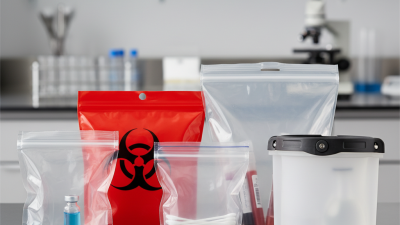
Medical Lab bags are specifically designed to offer protection. They guard against contamination and ensure that samples remain viable. Without proper packaging, the risk of cross-contamination and sample degradation increases. Many labs still use generic bags, overlooking the unique properties of Medical Lab bags. This oversight can lead to compromised results.
Transporting biological materials comes with challenges. Medical Lab bags must not only be durable but also easy to identify. Labels and biohazard symbols are crucial for clarity. It is essential for labs to reflect on their packaging choices. Are they using the best tools available? Adopting Medical Lab bags can enhance safety and efficiency in laboratory operations.

Importance of Medical Lab Bags in Sample Transport
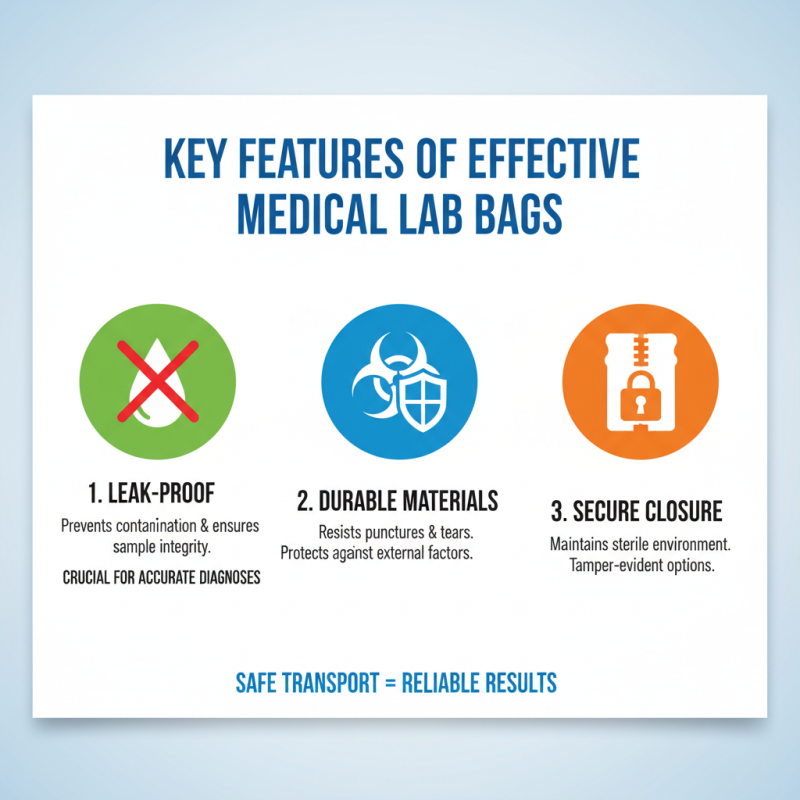
Medical lab bags play a vital role in the transport of samples. They ensure that specimens remain uncontaminated and safe during transit. Each bag is designed to meet specific needs, providing cushioning and protection against environmental factors. These features help maintain sample integrity, which is crucial for accurate test results.
Additionally, labeling and color-coding on medical lab bags enhance organization. This system minimizes the likelihood of mix-ups. However, there can be challenges. Not all lab bags are created equal, and some may not be suitable for certain types of samples. Inadequate sealing can lead to leaks, which might compromise the samples.
Proper handling is also essential. Even the best lab bags won’t prevent contamination if not used correctly. Staff training is crucial in this regard. A simple mistake can lead to significant consequences in test outcomes. Thus, while medical lab bags are essential, a comprehensive understanding of their use is just as important.
Why Medical Lab Bags Are Essential for Safe and Efficient Sample Transport
| Dimension |
Description |
Importance |
| Material Type |
Durable and leak-proof materials like polyethylene |
Prevent contamination and ensure sample integrity |
| Closure type |
Zipper, adhesive, or heat seal |
Maintain secure closure during transport |
| Size Variants |
Multiple sizes for samples, tubes, and larger specimens |
Ease of transport for various sample types |
| Labeling space |
Clear area for writing or stickers |
Facilitates identification and tracking |
| Biohazard Indicator |
Symbols indicating potential hazards |
Promotes safety and awareness in handling |
Types of Medical Lab Bags Available in the Market
Medical lab bags come in various types, each designed for specific needs. The most common types are biohazard bags, specimen transport bags, and insulated bags.
Biohazard bags are crucial for containing infectious materials. They help prevent contamination during transport.
Specimen transport bags protect samples from environmental factors.
Insulated bags maintain the required temperature for sensitive specimens.
According to industry reports, around 30% of samples are compromised due to improper transport methods. This highlights the importance of using appropriate lab bags. Inadequately secured samples can lead to misdiagnosis or delayed results.
Using the right type of bag reduces these risks significantly.
Tip: Always choose bags that meet regulatory standards. This ensures your samples remain safe.
Consider investing in bags with built-in cushioning. They offer extra protection during transit.
Transporting medical samples is not as straightforward as it seems. Malpractice can occur if samples are not stored properly. Some facilities may overlook this aspect.
Prioritizing the right lab bag can make a difference. Ensure your samples reach their destination intact and uncontaminated.
Best Practices for Using Medical Lab Bags Safely
Medical lab bags play a crucial role in ensuring the safe transport of biological samples. They are designed to prevent leaks and contamination. Using these bags correctly is vital for maintaining sample integrity. However, improper handling often occurs. For instance, many users neglect to seal bags adequately. This can lead to contamination and inaccurate results.
When using medical lab bags, it's important to follow best practices. Always ensure bags are the appropriate size for your samples. Overfilling can cause tears and spills. Additionally, labeling is essential. Failing to properly label bags can lead to mix-ups. Ensure all information is clear and legible. Double-check for any loose seals before transport. A simple recheck can prevent major mishaps.
Training staff on correct bag usage is also key. Regular reminders about proper techniques can enhance safety. However, some labs overlook this step. Ignoring training leads to repeated mistakes. Encourage a culture of diligence and care. Recognizing the importance of these small details will foster a safer working environment.
Regulatory Compliance for Medical Sample Transport Bags
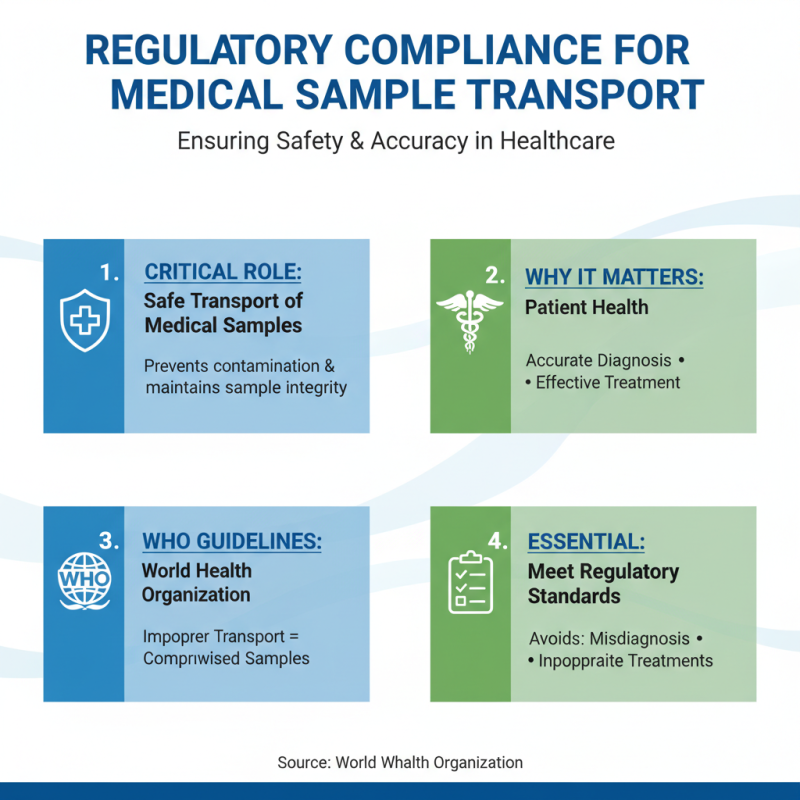
Medical sample transport bags play a critical role in healthcare. Regulatory compliance is vital in ensuring safety and efficiency in sample transport. The World Health Organization states that improper transport can compromise the integrity of samples. Inaccurate results can lead to misdiagnosis or inappropriate treatments. Hence, meeting regulatory standards becomes essential.
According to a report by the Centers for Disease Control and Prevention, about 48% of health-related errors occur during sample handling. This highlights the need for compliant and secure packaging. Medical lab bags must meet specific criteria. This includes being leak-proof, tear-resistant, and temperature-controlled. Neglecting these standards can lead to contamination or loss of samples.
Visualizing the impact is crucial. Imagine a diagnostic sample that arrives at the lab unidentifiable. Without clear labeling and proper containment, identifying the sample becomes a challenge. This can delay treatment and affect patient outcomes. Regulatory compliance helps to create a standardized process. However, continuous improvements in guidelines are necessary to keep pace with evolving medical practices.

 +86 178 5514 5298
 CONTACT NUMBER
 CONTACT NUMBER