What is a Specimen Collection Kit and How to Use It?
A specimen collection kit is an essential tool in modern healthcare, enabling accurate diagnostic testing and streamlining sample collection processes. According to a report by Market Research Future, the global market for specimen collection kits is projected to grow significantly, reaching USD 18.4 billion by 2025. This growth reflects the increasing emphasis on preventive care and the shift toward patient-centered approaches in medical testing.
Dr. Emily Carter, a leading expert in clinical diagnostics, emphasizes the significance of these kits: “A well-designed specimen collection kit not only enhances sample integrity but also improves patient compliance.” Such insights highlight the importance of quality and usability in the design of these kits. Inadequate kits can lead to compromised results and patient frustration.
Healthcare providers must balance convenience with thoroughness. The design of a specimen collection kit should facilitate easy use while safeguarding against contamination. As the demand for home testing surges, continual refinement and validation are imperative. Organizations must maintain high standards to ensure reliability and uphold patient trust. The challenge lies in creating kits that are not only effective but user-friendly, addressing both clinical needs and patient experiences.
What is a Specimen Collection Kit?
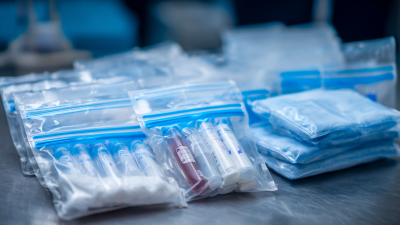
A specimen collection kit is a crucial tool used in various medical and research contexts. It typically contains items like containers, labels, and collection tools designed for gathering biological samples. According to the CDC, the correct use of specimen collection kits is vital for ensuring accurate test results. These kits help in diagnosing diseases, monitoring health, and conducting clinical research.
When using a specimen collection kit, it’s essential to follow specific guidelines. Ensure that all sample containers are sterile and labeled correctly. Avoid contamination by using the tools provided without touching the inside surfaces. A study by the World Health Organization indicates that improper collection techniques can lead to a 20% error rate in diagnostic testing. This highlights the importance of adhering to best practices.
Tips:
- Always read the instructions before use.
- If sample collection feels uncertain, consult a healthcare professional.
- Remain aware of the expiration dates on all kits.
- Ensuring you have the right environment for collection can significantly impact the integrity of your samples.
- Mindful handling and storage are crucial for preserving the quality of the specimens.
Components of a Specimen Collection Kit
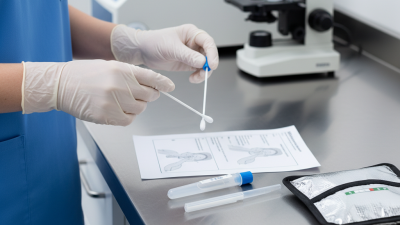
A specimen collection kit is essential for various medical tests. It typically includes a container, swabs, and labels. Each component plays a crucial role in ensuring accurate sample collection and analysis. The container is usually sterile. This helps prevent contamination. Swabs are used for collecting samples from different sites. Their design varies based on the type of specimen needed.
The labeling system is also vital. Proper labeling ensures that samples are tracked accurately. This reduces the risk of mix-ups in the laboratory. In some kits, there may be additional tools, like instructions or preservatives. These enhance the sample's stability.
Using a specimen collection kit requires careful handling. Follow the instructions meticulously to avoid errors. Mistakes can lead to inaccurate test results. Practicing proper technique is important. Reflect on past experiences to improve the process. Each collection is a learning opportunity.
What is a Specimen Collection Kit and How to Use It? - Components of a Specimen Collection Kit
| Component |
Description |
Usage |
| Specimen Container |
A sterile container designed to hold biological specimens. |
Collect the sample and seal it properly for transport. |
| Swabs |
Sterile swabs for collecting throat, nasal, or wound specimens. |
Use to gently swab the area of interest before placing in the container. |
| Transport Medium |
A liquid solution that preserves samples during transport. |
Add the specimen to the medium to maintain viability. |
| Labels |
Pre-printed or blank labels for identifying specimens. |
Label the container with patient information and specimen type. |
| Instructions |
Detailed guidelines on how to collect and process specimens. |
Follow the instructions step-by-step to ensure proper specimen collection. |
Step-by-Step Guide to Using a Collection Kit
Specimen collection kits are essential tools for various medical and research applications. They allow for the safe gathering of samples, ensuring quality and integrity. Understanding how to use these kits effectively can enhance accuracy in testing.
Begin by reviewing the instructions provided with the kit. Prepare the area where you will collect the specimen. Make sure it's clean and free from contaminants. Wear gloves to minimize any risk of sample contamination. Collect the specimen according to the guidelines, ensuring that you follow all recommended protocols. Label the sample correctly to avoid any mix-ups.
Tips: Always double-check expiration dates on the kit. Expired kits may yield unreliable results. After collection, store the specimen in the recommended conditions. For example, some samples need refrigeration while others should remain at room temperature.
Be mindful of potential errors, such as improper labeling or inadequate sample volume. These mistakes can lead to inaccurate results, delaying diagnoses or treatments. Striving for precision in every step of the process is vital. Keeping a checklist during collection can help ensure you don’t miss crucial steps or details.
Best Practices for Specimen Collection and Handling
Specimen collection requires precision and care. Proper handling ensures sample integrity, which is crucial for accurate results. According to the Clinical Laboratory Standards Institute (CLSI), improper collection can lead to a 10% to 30% error rate in test outcomes. Thus, following best practices is essential.
Before collecting specimens, wash your hands thoroughly. This minimizes contamination. Use clean, sterile containers. Avoid using unapproved materials that can affect the sample. Inadequate labeling can be catastrophic. Ensure all samples are clearly marked with relevant patient information. The CDC indicates that mislabeling is responsible for 5% of laboratory errors.
Transporting specimens also requires attention. Maintain appropriate temperature during transport. Many specimens are temperature-sensitive. A study by the National Institute of Health showed that 15% of samples fail quality checks due to temperature deviations. Reflect on these steps regularly. Educational refreshers can help evolve best practices and improve accuracy in specimen collection.
Common Mistakes to Avoid When Using a Collection Kit
When using a specimen collection kit, it's crucial to avoid common pitfalls. A report by the American Clinical Laboratory Association highlights that improper sample collection can lead to 30% of diagnostic errors. This emphasizes the need for careful attention to detail.
One frequent mistake is not following the provided instructions. Each kit comes with specific guidelines tailored for the sample type. Skipping steps can compromise the sample integrity. For instance, remember to keep the sample at the right temperature. Neglecting this can alter test results.
Another issue is using expired materials. Many users overlook expiration dates, assuming that the kit’s contents remain effective. A study in the Journal of Clinical Pathology states that using expired collection tubes can dramatically skew results.
Tips: Always check expiration dates before use. Maintain a clean workspace to prevent contamination. Don’t rush the process; accuracy is paramount. Engaging with these practices enhances reliability and ensures meaningful results, forming a robust foundation for accurate diagnostics.
Specimen Collection Kit Usage Mistakes
This bar chart illustrates common mistakes made when using a specimen collection kit. Ensuring the correct sample type and proper handling can significantly reduce errors.

 +86 178 5514 5298
 CONTACT NUMBER
 CONTACT NUMBER