Why is a Specimen Sleeve Essential for Sample Protection?
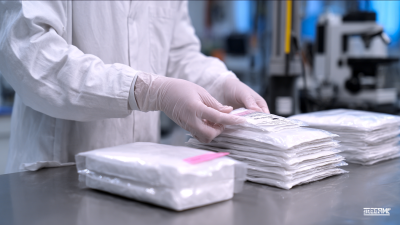
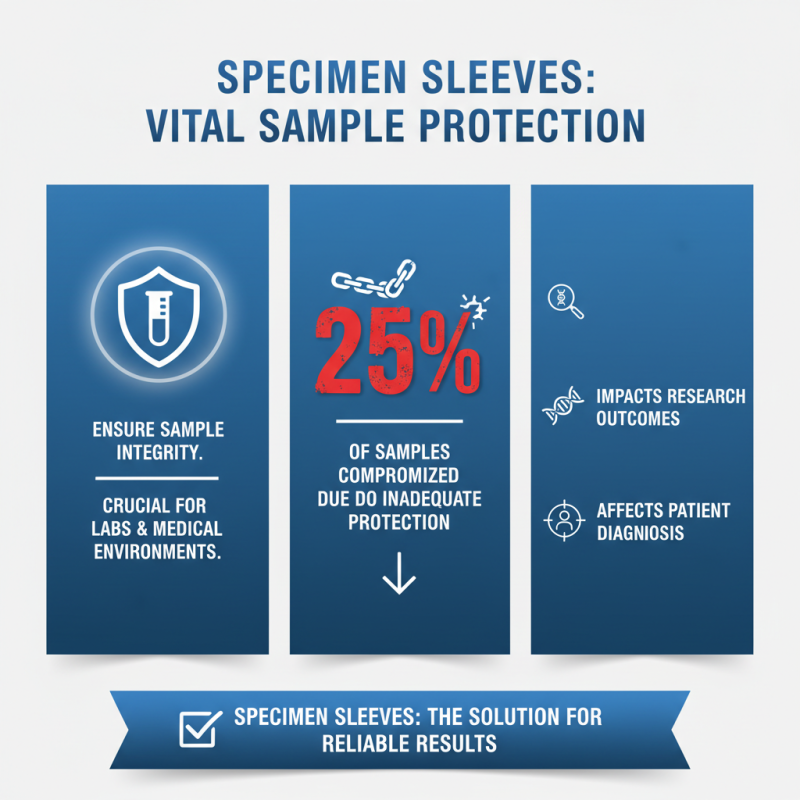
In the realm of sample analysis, the importance of a Specimen Sleeve cannot be overstated. A well-designed sleeve offers vital protection for sensitive specimens during transport and handling. It reduces exposure to contaminants and environmental factors, ensuring the integrity of samples remains intact.
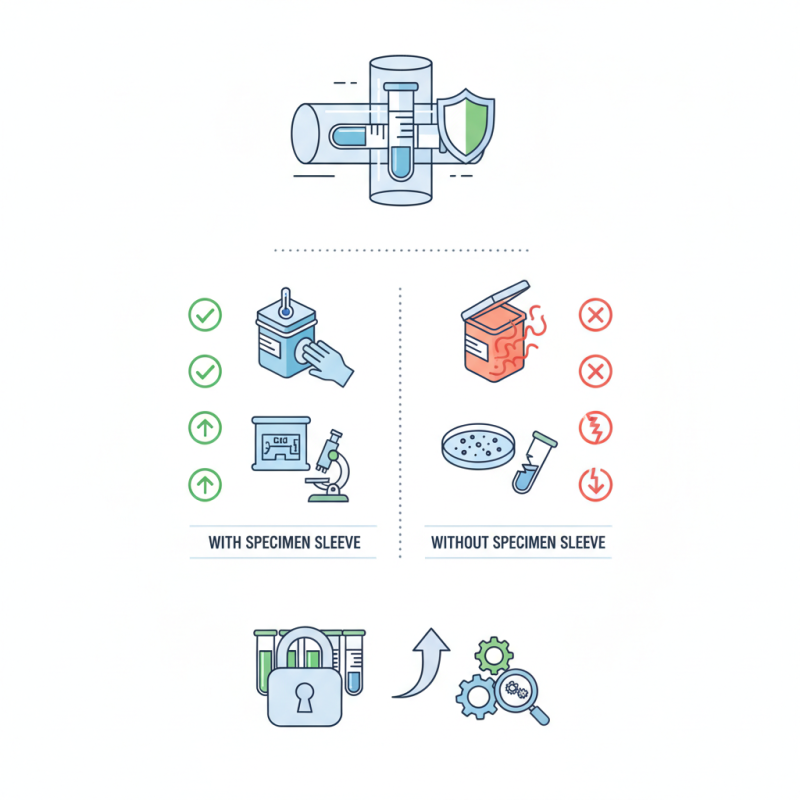
Without a Specimen Sleeve, specimens can face numerous risks. Environmental fluctuations may alter their properties. Contamination from external sources can compromise test results. This may lead to inaccurate conclusions and wasted resources. Not using a sleeve may seem minor, but the repercussions can be significant.
Unfortunately, some laboratories overlook this crucial component. They may underestimate the potential harm to their samples. This oversight can be detrimental to research and diagnostics. Reflecting on these mistakes can drive improvements in lab practices. Protecting specimens is not just a precaution; it is essential for reliable outcomes.
Importance of Sample Protection in Laboratory Settings
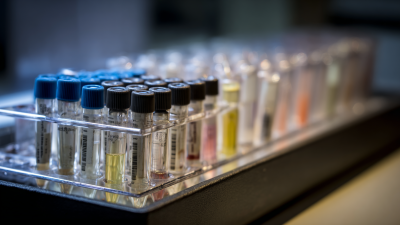
In laboratory settings, sample protection is crucial. Samples can be sensitive to environmental factors such as temperature, light, and contamination. A specimen sleeve provides a barrier against these elements. It helps to maintain the integrity of samples during handling and transport. Without proper protection, even minor exposure can compromise results.
Many researchers underestimate the importance of a good sleeve. They may think any cover will do, but this is not always true. A poorly made sleeve can lead to leaks and contamination. A few drops of fluid can change everything. Think of what is at stake: valuable time and resources. Each sample tells a story that must be preserved.
Additionally, lab environments are hectic. Accidental spills or drops happen often. A robust sleeve can prevent catastrophic failures. However, sleeves themselves can wear out or become damaged. Regular inspection is necessary to ensure they function properly. Scientists should consider these factors carefully. They should not take sample protection lightly. Protecting samples in the lab is an ongoing challenge that deserves attention.
Why is a Specimen Sleeve Essential for Sample Protection?
| Sample Type |
Risk of Contamination |
Importance of Protection |
Recommended Sleeve Material |
| Blood Samples |
High |
Preventing hemolysis and preserving integrity |
Polypropylene |
| Urine Samples |
Medium |
Avoiding bacterial growth and chemical changes |
High-density polyethylene |
| Tissue Samples |
High |
Maintaining histological quality and preventing degradation |
Glass or specialized plastic |
| Saliva Samples |
Medium |
Preventing evaporation and contamination |
Lightweight polycarbonate |
| Environmental Samples |
High |
Preventing cross-contamination and preserving sample composition |
Foil-lined bags or specialized containers |
Definition and Function of a Specimen Sleeve
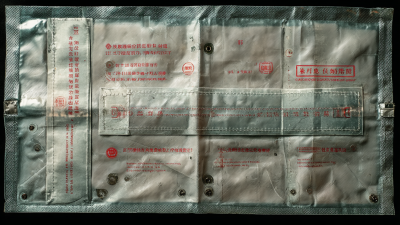
A specimen sleeve is crucial for protecting samples during transport and storage. It serves as a barrier against environmental factors that may compromise the integrity of the specimens. Whether it’s moisture, dust, or temperature changes, a well-designed sleeve minimizes these risks. It prevents contamination and keeps samples secure until they reach the lab.
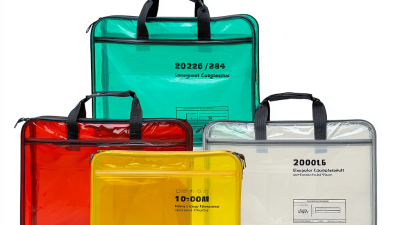
The definition of a specimen sleeve goes beyond mere wrapping. It typically consists of materials that provide insulation and resistance to external elements. Some sleeves are clear, allowing visual inspection without removal. This feature is essential in laboratory settings, where tracking sample history is important. The texture and durability of the sleeve matter too. A thin sleeve might be easier to handle, yet it may not provide sufficient protection.
Over time, users may observe wear and tear on their sleeves. This can lead to potential sample exposure. Regular inspection of these sleeves is necessary to maintain their protective qualities. It’s a reminder that even a small detail in specimen handling can have significant impacts on research outcomes. Attention to these factors can make a difference in ensuring sample integrity.
Importance of Specimen Sleeve for Sample Protection
The chart above illustrates the importance levels of various protective functions provided by a specimen sleeve, evaluated on a scale of 1 to 10. The highest level of importance is attributed to contamination protection, followed closely by temperature control and moisture resistance, highlighting the critical role of specimen sleeves in safeguarding samples.
Benefits of Using Specimen Sleeves for Sample Integrity
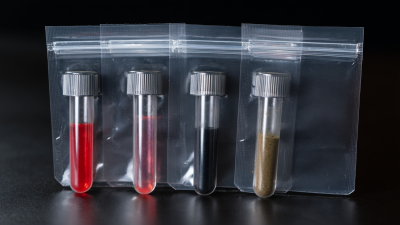
Specimen sleeves play a crucial role in protecting samples. They provide a barrier against physical damage and environmental contaminants. When transporting delicate samples, a sleeve acts as a safeguard. It minimizes the risk of breakage or exposure to harmful elements.
Using specimen sleeves enhances sample integrity significantly. For instance, biological samples can degrade quickly if they encounter moisture. A sleeve prevents this, helping maintain a stable environment. This is vital for accurate analysis and results. Additionally, sleeves can reduce contamination from external sources. By sealing samples, they ensure that results remain reliable.
However, one must consider the design and material of the sleeves. Not all sleeves will offer the same level of protection. Some may not withstand extreme temperatures. Therefore, selecting the right sleeve is essential. Sometimes, users overlook this detail. It's a mistake that can have costly consequences later. Effective sample protection hinges on thoughtful choices.
Common Materials Used in Specimen Sleeve Production
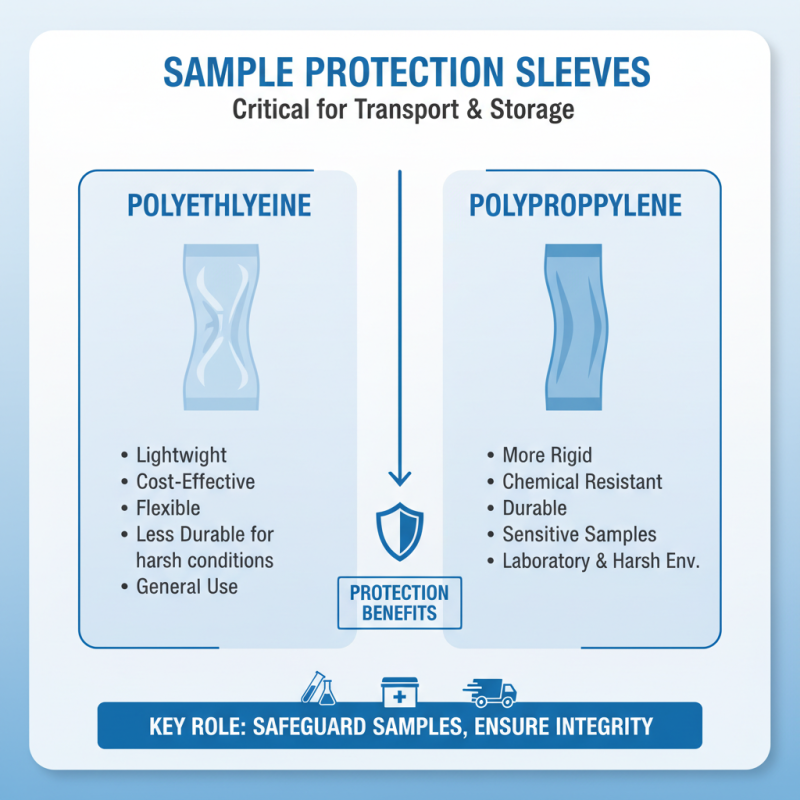
Specimen sleeves play a crucial role in protecting samples during transport and storage. Various materials are used to create these protective coverings. Common choices include polyethylene, polypropylene, and vinyl. Each material offers unique benefits, influencing their use in different scenarios. Polyethylene is lightweight and cost-effective, but may be less durable. Polypropylene is more rigid and resistant to chemicals, making it ideal for sensitive samples.
Vinyl provides flexibility and clarity, allowing easy visibility of the specimen inside. However, it may not provide the best protection against external elements. Choosing the right material depends on the type of specimen and the environment it will be in. Factors like temperature, moisture, and pressure should be considered. Designers often face challenges in balancing protection and cost. Making material choices requires careful thought.
Many labs underestimate the importance of using high-quality specimen sleeves. Sometimes, they opt for lower-cost materials, which can compromise sample integrity. This oversight can lead to contamination or even loss of valuable samples. Reflecting on previous choices is vital to avoid future errors. A well-chosen specimen sleeve is essential for ensuring that research and testing processes yield accurate results.

 +86 178 5514 5298
 CONTACT NUMBER
 CONTACT NUMBER