Top Vacuum Blood Collection Tubes for Global Buyers?
In the medical field, accuracy is vital. One essential tool for diagnostics is the vacuum blood collection tube. These tubes ensure efficient blood collection and minimize contamination. Medical professionals rely on their reliability for accurate test results.
Choosing the right vacuum blood collection tube can be overwhelming. Various options exist, each designed for specific purposes. Factors like material, size, and additives play crucial roles in their functionality. Buyers must consider these details to make informed decisions.
Understanding the specifications of vacuum blood collection tubes is imperative for global buyers. Not all tubes are created equal, which can lead to confusion. It’s essential to match the tube type with test requirements. This helps in avoiding potential errors and ensuring patient safety during testing procedures. Making the right choice can significantly affect diagnosis and treatment outcomes.
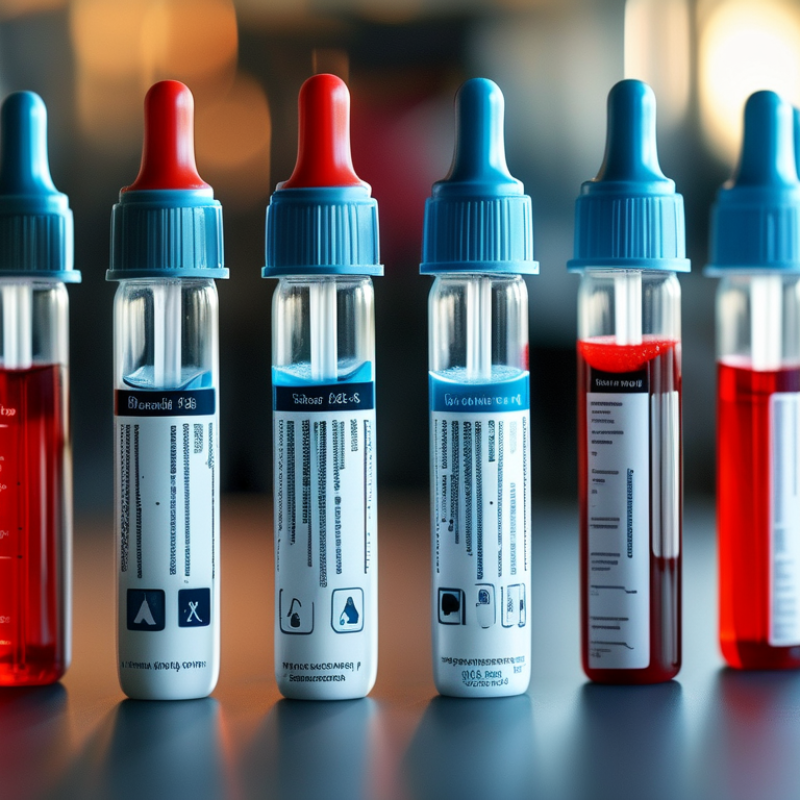
Overview of Vacuum Blood Collection Tubes and Their Importance
Vacuum blood collection tubes play a pivotal role in modern healthcare. These tubes enhance the accuracy and safety of blood sample collection. The creation of vacuum tubes minimizes exposure to potentially infectious blood, reducing risks for healthcare workers and patients alike. According to a report from MarketsandMarkets, the global blood collection market is projected to reach USD 12.55 billion by 2025, reflecting the growing dependence on reliable blood diagnostics.
The design of these tubes allows for precise blood volume collection, ensuring consistent results. However, not all tubes are created equal. Variations in tube additives can affect test outcomes, leading to inconsistent laboratory results. The World Health Organization emphasizes that the correct use of vacuum blood collection tubes significantly improves diagnostic accuracy. An estimated 30% of laboratory errors stem from improper sample handling, underscoring the need for standardized practices.
Furthermore, the process needs continuous improvement. While vacuum tubes are widely used, challenges persist regarding safe disposal and environmental impact. Health organizations encourage recycling and proper disposal protocols. Advancements in material science may lead to eco-friendly options. These issues remind us that even in established systems, there is always room for enhancement.
Top Vacuum Blood Collection Tubes for Global Buyers
The chart above illustrates the volume capacity of various types of vacuum blood collection tubes, which are critical for blood sampling in laboratory settings. Understanding the different types and their specific applications helps global buyers make informed decisions when sourcing these essential medical supplies.
Types of Vacuum Blood Collection Tubes Available in the Market
Vacuum blood collection tubes are essential in clinical laboratories. Various types cater to different testing needs. Each type contains unique additives to preserve specimens. EDTA tubes are popular for hematology tests. They prevent blood clotting, making them ideal for complete blood counts.
Citrate tubes, with their light blue tops, are commonly used for coagulation tests. They require careful handling during collection to avoid contamination. Additionally, serum separator tubes are designed to separate serum from blood cells. Their gel barrier aids in this process.
According to recent reports, the global vacuum blood collection tube market is projected to reach $2.5 billion by 2026. Emerging markets witness growing demand. However, challenges like inconsistent quality persist in some regions. Educating healthcare professionals about these variations is crucial for accurate results.
Key Features to Consider When Selecting Blood Collection Tubes
When selecting vacuum blood collection tubes, several key features should be prioritized. First, material plays a crucial role. Most tubes are made of glass or plastic. Glass tubes are stable and ideal for certain tests. However, plastic tubes offer better convenience and lower risk of breakage. Buyers need to consider the intended use and environmental conditions.
Another essential feature is the additive present in the tube. Tubes may contain anticoagulants, preservatives, or clot activators. Each additive serves a unique purpose and can affect test results significantly. It’s vital to understand the specific requirements of the tests being performed. Training staff about these differences is beneficial yet often overlooked.
Finally, cap color codes are pivotal for proper identification. Each color represents a different additive or function. Mistaking tube types can lead to erroneous results or samples being rejected. Many professionals often underestimate the importance of these distinctions. Attention to these details can enhance overall efficiency in blood collection processes.
Top Vacuum Blood Collection Tubes for Global Buyers
| Tube Type |
Additive |
Volume (ml) |
Color Code |
Usage |
| EDTA Tube |
Ethylenediaminetetraacetic Acid |
4.5 |
Lavender |
Hematology Tests |
| Serum Separator Tube |
Clot Activator and Gel |
5 |
Gold |
Serum Chemistry Tests |
| Citrate Tube |
Sodium Citrate |
4.5 |
Light Blue |
Coagulation Tests |
| Heparin Tube |
Lithium Heparin |
5 |
Green |
Plasma Chemistry Tests |
| Sodium Fluoride Tube |
Sodium Fluoride and Potassium Oxalate |
6 |
Gray |
Glucose Testing |
Leading Brands and Manufacturers of Vacuum Blood Collection Tubes
Vacuum blood collection tubes are essential for accurate lab testing. They come in various sizes and colors, each designed for specific tests. The choice of tube affects the quality of your sample. Leading brands and manufacturers ensure the tubes are safe and sterile. They follow strict guidelines to maintain reliability and consistency.
When selecting these tubes, consider the intended test. Different tests require different additives in the tubes. For example, some tests need anticoagulants, while others need serum separators. Quality assurance is crucial. Inspect for any visible defects or issues before use.
Tip: Always check the expiration dates on the tubes. Using expired tubes can compromise sample integrity. Tip: Keep tubes at the recommended storage temperature. This helps maintain their effectiveness. Health professionals emphasize the importance of proper handling techniques. Mistakes in selection or use can lead to inconclusive results. Reflect on your practices to ensure adherence to guidelines.
Global Regulations and Standards for Blood Collection Tube Safety
When discussing blood collection tubes, global safety standards are paramount. Countries have established regulations to ensure that these tubes do not compromise sample integrity. The manufacturing process must adhere to strict quality controls. Each tube must be tested for leakage and contamination. These measures aim to protect both patients and healthcare workers.
Different regions have specific requirements. For instance, in Europe, the In Vitro Diagnostic Medical Devices Directive governs tube safety. In the United States, the FDA sets its own stringent guidelines. These regulations often revolve around material safety, labeling requirements, and sterilization processes. Neglecting these can lead to significant issues, such as sample degradation or cross-contamination.
Compliance is not always straightforward. Manufacturers sometimes face challenges in sourcing materials that meet all safety standards. Economic factors can influence compliance rates. Continuous monitoring and updating of regulations reflect the evolving nature of medical safety. The landscape of blood collection tube safety requires persistent attention and improvement.

 +86 178 5514 5298
 CONTACT NUMBER
 CONTACT NUMBER