What Is a UN 2814 Bag and How Is It Used?
A UN 2814 bag is more than a marked plastic container. It supports the safe movement of infectious substances affecting humans under regulated transport conditions. The term usually describes part of a complete packaging system, not a standalone solution.
A compliant setup normally includes a leakproof primary receptacle, absorbent material, a durable secondary container, and a rigid outer package. The bag may help organize specimens or protect the inner layers from contamination. It must not replace required packaging, labels, documentation, or trained handling. Small details matter. A loose cap can undermine an otherwise careful shipment.
Dr. David L. Huxsoll, a respected biosafety specialist, expressed a useful principle: “Safety depends on the system, not on one protective layer.” That idea explains how a UN 2814 bag is used in practice. Staff should inspect seals, confirm specimen identification, and check the package against current carrier and regulatory instructions. The correct design may vary with the material, quantity, transport method, and destination.
The phrase “UN 2814 bag” can also create confusion. Not every red biohazard bag meets transport requirements. Color alone proves very little. A stronger approach combines suitable materials, documented procedures, staff training, and careful pre-shipment inspection.
There is room for human error. That is why reliable facilities use checklists and independent verification. A well-prepared package should remain secure when handled, stored briefly, and moved through normal transport conditions. This article explains the bag’s purpose, construction, selection criteria, and practical use without treating it as a substitute for professional compliance advice.
What Is a UN 2814 Bag?
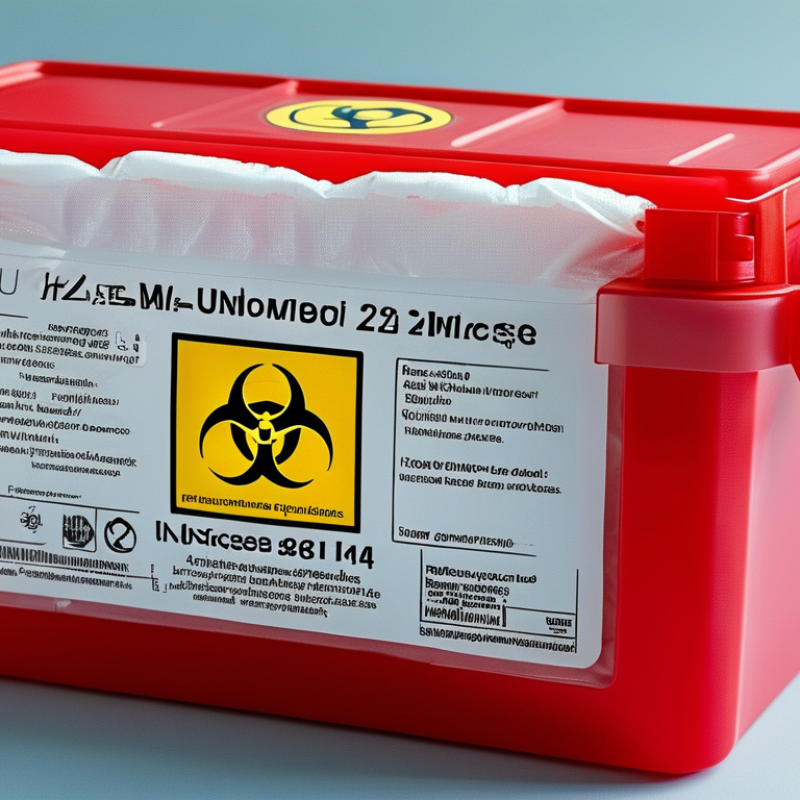
A UN 2814 bag is commonly associated with packaging used for infectious substances affecting humans. However, the term “bag” can be misleading. UN 2814 identifies a regulated shipping classification, not one specific bag design or product. In professional transport, the bag is usually part of a certified triple-packaging system.
The primary receptacle holds the specimen and must prevent leaks. A sealed secondary container provides another barrier. Absorbent material is placed between them. A strong outer package protects the contents from impact, pressure changes, and rough handling. The package also requires the correct hazard markings, documentation, and temperature controls when necessary.
Small details matter. A loose cap can compromise the entire package. A wet label can become unreadable. Trained staff should inspect closures, cushioning, and outer-package condition before shipment. Requirements may differ by transport method and location, so current carrier and regulatory guidance should be checked.
It is not simply a disposable carrier bag.
In practice, many people use “UN 2814 bag” as convenient shorthand. That wording is understandable, but technically incomplete. The complete packaging system, not the bag alone, determines whether the shipment is prepared safely.
Which Materials Require UN 2814 Packaging?
A UN 2814 bag is commonly associated with packaging for infectious substances affecting humans. However, the bag alone is not compliant packaging. UN 2814 applies to Category A materials that can cause permanent disability, life-threatening illness, or fatal disease after exposure. The classification depends on the material’s hazard, not simply its appearance or source.
Materials may include cultures of certain pathogenic microorganisms and clinical specimens suspected of containing Category A agents. Some contaminated materials may also require this classification, depending on their concentration, condition, and exposure risk. A routine blood tube does not automatically become UN 2814 material. That assumption causes problems.
Classification requires qualified professional judgment. Laboratory staff should review the suspected agent, sample type, and transport regulations. The packaging normally includes a leakproof primary receptacle, absorbent material, a leakproof secondary container, and a strong outer package. Required markings, labels, documentation, and temperature controls must also be checked. Dry ice creates additional requirements. Small details matter.
In practice, a well-sealed bag can still be insufficient. A missing label or weak secondary container may invalidate the shipment. Regulations also change, and local rules can differ. Careful review is necessary before preparing any package.
How Is a UN 2814 Bag Designed and Labeled?
A UN 2814 bag is commonly used for shipping infectious substances that may affect humans. Strictly speaking, UN 2814 describes the shipment classification, not one specific bag. The packaging must follow current transport rules and be prepared by trained personnel.
The design usually uses three protective layers. A leakproof primary container holds the specimen. Absorbent material surrounds it. A durable secondary container provides another barrier. The outer package must resist pressure, drops, and rough handling. For liquid samples, the containers need secure closures. Solid samples still require protection from movement and contamination. The bag should not be treated as the entire packaging system. That assumption can create serious failures.
Labeling must be clear and durable. The outer package normally displays “UN 2814” and the proper shipping name, “INFECTIOUS SUBSTANCE, AFFECTING HUMANS.” It also requires the applicable biohazard marking, sender and recipient details, and emergency contact information. Orientation arrows may be needed for liquid contents. Air transport can require additional marks and certified packaging instructions. Check the current carrier and national requirements. Small details matter. Ink can smear. Labels can peel. A final visual inspection should confirm that every marking is readable, attached, and consistent with the paperwork. Even experienced handlers can miss a damaged seal or incomplete label. Review remains necessary.
How to Pack and Seal a UN 2814 Bag
What Is a UN 2814 Bag and How Is It Used?
How to Pack and Seal a UN 2814 Bag
A UN 2814 bag supports the safe transport of infectious substances affecting humans. However, the bag alone is not a complete compliant package. Packing should follow the applicable transport regulations and the package manufacturer’s instructions. Trained personnel should prepare the shipment in a controlled work area. Wear suitable protective equipment and inspect every container before use. Small defects matter. A damaged closure can compromise the entire package.
Place the specimen in a leakproof primary container and check its cap carefully. Wrap the primary container with enough absorbent material to contain the full liquid volume. Put it inside a leakproof secondary container, then close the container securely. The outer package must be rigid, undamaged, and suitable for UN 2814 transport. Keep paperwork separate from the specimens. Mark and label the package accurately, including orientation arrows when required. If dry ice is used, never seal the package airtight; pressure can build inside. I would pause before dispatch and repeat the inspection, because a neat appearance does not prove a secure seal. Some details are easy to miss. Verify closure strength, absorbent placement, labels, and documentation against current requirements. Temperature-sensitive materials may also need validated cooling methods and monitoring records. A second trained person should review the package when procedures allow.
What Is a UN 2814 Bag and How Is It Used?
UN 2814 identifies an infectious substance affecting humans and is generally shipped under the UN Packing Instruction P620 system. The chart shows the three core containment levels used in a typical P620 package.
Place the specimen in a leakproof primary receptacle, seal it securely, add sufficient absorbent material when the contents are liquid, then place it inside a leakproof secondary package. Seal the secondary package and secure it inside a rigid outer package. Apply the required UN 2814 markings and complete the applicable transport documentation.
How Is a UN 2814 Bag Transported Safely?
What Is a UN 2814 Bag and How Is It Used?
A UN 2814 bag usually refers to the secure inner packaging used for infectious substances affecting humans. It is not a complete transport package by itself. Safe shipping requires a tested triple-packaging system: a leakproof primary container, a leakproof secondary container, and a strong outer package. Absorbent material should surround liquid contents. The outer package must display the correct UN 2814 marking, hazard label, and handling information. For air transport, the shipper must follow the applicable dangerous goods packing instruction.
How Is a UN 2814 Bag Transported Safely?
Trained personnel inspect every container before dispatch. They check seals, closures, labels, and package strength. A damaged seal should stop the shipment, even when the damage looks minor. The package should remain upright when required, protected from heat, and stored within the validated temperature range. The sender must complete accurate documentation and confirm that the carrier accepts this classification. The receiver should be notified before arrival, especially when timing or temperature matters. Routes should also reduce unnecessary transfers, delays, and rough handling. No system is perfect. Small oversights can become serious during transport.
Tips: Use a clear chain-of-custody record. Photograph the sealed outer package when company procedures allow it. Keep emergency contact details accessible. Never place loose paperwork inside the primary container. Review current national and carrier requirements before each shipment, because rules and acceptance conditions can change.

 +86 178 5514 5298
 CONTACT NUMBER
 CONTACT NUMBER