 +86 178 5514 5298
Leave Your Message
-
CONTACT NUMBER
-
 CONTACT NUMBER
 -
 CONTACT NUMBER
Choosing a UN 2814 bag is not just a matter of finding a strong pouch. UN 2814 applies to infectious substances affecting humans, and the bag is only one part of a regulated packaging system. Its suitability depends on the substance, the complete packaging configuration, and applicable shipping requirements. A bag’s label or product description alone does not prove compliance.
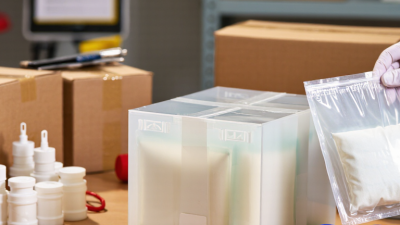
This guide compares seven options through practical details: material strength, closure design, leak resistance, size, and documentation from the supplier. Imagine preparing a package on a busy bench: the bag must fit without strain, seal reliably, and work with the required absorbent material and secondary container. Small details matter. So does clear paperwork. Before buying, confirm that the product is intended for the specific packaging role and that the complete system meets current regulations and carrier requirements. When in doubt, ask a qualified dangerous-goods professional or the carrier. That extra check can feel tedious. It is still worthwhile. Product listings can be incomplete, and I would not treat a confident marketing claim as a substitute for verification.
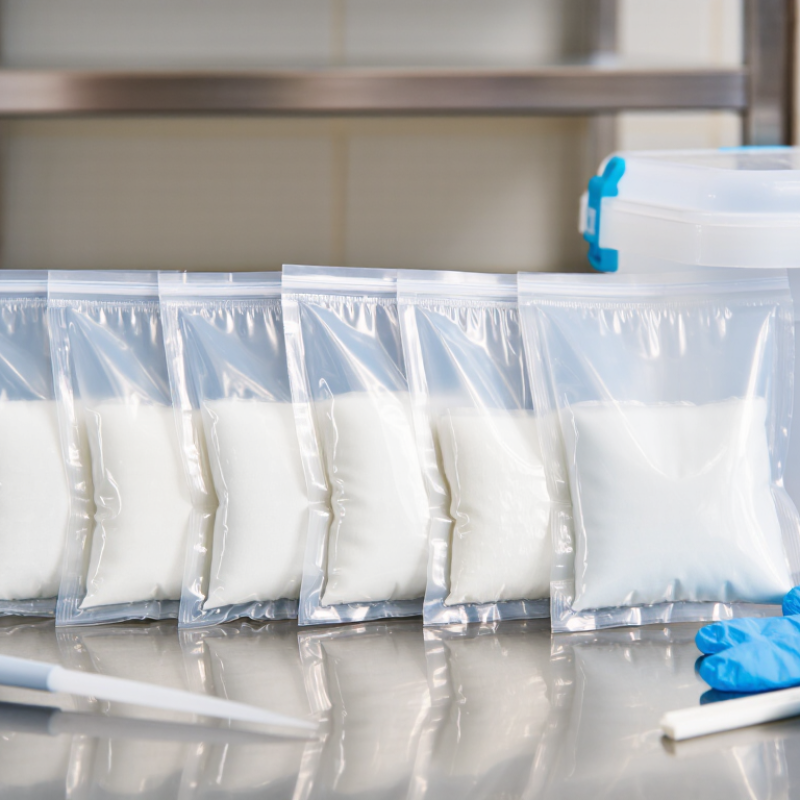
UN 2814 identifies an infectious substance known or reasonably expected to cause disease in humans. It falls under Category A, a classification with strict shipping requirements. The code does not describe a particular bag. It describes the hazard classification of the material being shipped. A trained, qualified person should determine the classification using reliable information about the substance. Not every biological specimen belongs in this category.
Packaging is a system, not a single bag. Depending on the applicable transport rules, it generally includes a leakproof primary receptacle, leakproof secondary packaging, and a sturdy outer package. Liquids may need absorbent material between the inner and secondary layers. Closures must stay secure, even when handling gets rushed. This part is easy to underestimate. A bag alone cannot make a shipment compliant. Required markings, documentation, package performance standards, and staff training also matter. Requirements can vary by transport mode and destination, so check current official guidance before preparing a shipment. A careful inspection helps: look for damaged seams, loose caps, and paperwork that does not match the package. Small oversights can matter.
UN 2814 is the UN number for “INFECTIOUS SUBSTANCE, AFFECTING HUMANS,” a Category A infectious substance. The options below are practical packaging configurations—not standalone bags. A bag alone does not make a shipment compliant; the complete packaging system must meet the applicable Packing Instruction P620 requirements.
| Packaging configuration | Best suited for | Useful features | Checks for a compliant shipment | Important limitation |
|---|---|---|---|---|
| 1. Compact rigid box with a sealed secondary bag | One or a small number of securely closed sample receptacles. | Helps keep the shipment compact; a leakproof secondary packaging can contain leakage from the primary receptacle. | Use a complete P620 packaging system with the required primary receptacle, secondary packaging, and rigid outer packaging. Add absorbent material for liquid contents. | A zip-seal or biohazard bag is not a substitute for tested P620 packaging or a rigid outer package. |
| 2. Rigid box with individual primary-receptacle sleeves | Several small tubes or vials shipped together. | Separate sleeves or cushioning can reduce contact and breakage between individual receptacles. | Protect fragile receptacles from contact with one another. For liquids, provide absorbent material sufficient to absorb the contents if leakage occurs. | Check that the assembled packaging—not just the box or sleeves—is an appropriate P620-compliant system. |
| 3. Rigid box with a leakproof secondary container | Liquid specimens or other contents where leak containment is a key concern. | A suitable leakproof secondary container provides an additional containment layer around the primary receptacle. | Ensure the required pressure-resistance provisions for liquid or liquid-containing substances are met by the applicable primary or secondary packaging, as specified by P620. | A secondary bag alone may not provide the required leakproofness or pressure performance; verify the packaging system’s specification. |
| 4. Rigid box with a rigid secondary container | Shipments needing extra protection for fragile primary receptacles. | A rigid secondary container can provide added physical protection while preserving separation between packaging layers. | Confirm the full three-part packaging arrangement and the required performance-tested outer packaging. Secure the contents against movement. | Additional rigidity does not remove the need for the specific P620 packaging and performance requirements. |
| 5. Rigid drum-style outer package with contained inner packaging | Appropriately sized consignments for which a drum-style outer package is suitable. | Can provide a robust outer layer for compatible inner packaging and shipment handling needs. | Use only a drum/package design permitted for the intended P620 configuration, with compatible inner packaging and any required absorbent material. | Do not assume any general-purpose drum is approved; check the package design, condition, and applicable certification or testing. |
| 6. Rigid box with a sealed, cushioned secondary pack | Fragile or irregularly shaped receptacles that need cushioning within the secondary packaging. | Cushioning can help prevent movement and impact damage when correctly arranged around the receptacles. | For multiple fragile primary receptacles, prevent contact between them. For liquids, include sufficient absorbent material within the required packaging arrangement. | Cushioning and a sealed bag do not replace leakproof containment, pressure-performance requirements, or a compliant rigid outer package. |
| 7. Validated P620 kit with a secondary containment bag | Shippers seeking a pre-configured set of compatible packaging components. | A kit can simplify component matching when its documented design covers the intended contents and configuration. | Verify that the complete kit is specified for UN 2814/P620 use, is assembled as instructed, and is appropriate for the contents and transport mode. | “Biohazard,” “medical,” or “UN-rated” wording by itself does not establish suitability for UN 2814; check the documentation for the complete system. |
Selection reminder: Under P620, Category A infectious substances require a specified packaging arrangement that includes primary receptacle(s), secondary packaging, and rigid outer packaging, together with the applicable performance and containment provisions. Confirm classification, packaging, marking, labelling, documentation, and carrier requirements against the current regulations for the transport mode and jurisdiction. Use trained dangerous-goods personnel where required.