+86 178 5514 5298


Choosing the right kPa bag in 2026 requires more than comparing pressure numbers. A kPa bag may support vacuum storage, fluid handling, laboratory work, or industrial packaging. Each use demands different materials, seals, valves, and safety margins. The same pressure rating does not guarantee the same performance.
This guide examines practical selection factors, including working pressure, burst resistance, temperature range, chemical compatibility, and closure quality. Always check the manufacturer’s technical sheet. Look for test conditions, batch information, certification details, and clear instructions. A bag rated at 80 kPa may perform differently under heat, sharp edges, repeated use, or uneven loading. Numbers need context.
Small details matter.
A reliable choice begins with the actual application. Measure the contents, estimate internal pressure, and consider transport or storage conditions. Inspect the film thickness and seal width. Test the valve before full use. Do not rely on appearance alone. Independent testing or documented quality control can strengthen confidence, especially for professional environments. Requirements may also vary by region, so confirm current standards with qualified suppliers or relevant authorities.
There is no perfect kPa bag for every situation. I would not choose the highest rating automatically. Excess capacity can increase cost, stiffness, and handling difficulty. A better decision balances protection, usability, evidence, and budget. This guide may not answer every unusual case, but it provides a clearer way to question product claims and avoid preventable mistakes in 2026.
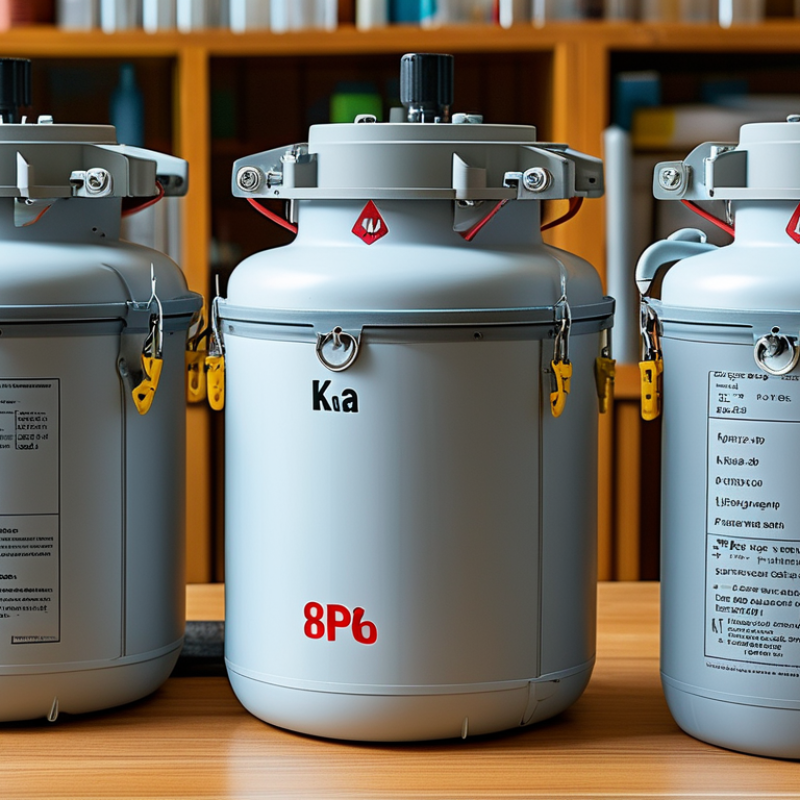
kPa means kilopascals, a unit used to describe pressure. In bag specifications, it often shows the pressure difference a bag can handle or create. A vacuum bag may list negative pressure, while a compression bag may describe external force. Higher kPa does not always mean better performance. It may simply indicate a stronger structure for a specific use.
Check the full specification, not one number. Material thickness, seal quality, valve design, and size affect real performance. A bag rated at 60 kPa may work well for light storage, but heavy contents can stress its seams. I have found that uneven loading causes problems sooner than moderate pressure. This detail is easy to miss. Testing conditions also matter, because laboratory ratings may not match a warm room, sharp contents, or repeated use.
Tips: Compare kPa with the intended application. Check whether the rating means pressure resistance or vacuum strength. Look for clear test conditions and seam information. Avoid filling the bag beyond its recommended capacity. Leave smooth edges near the seal. If the specification seems unclear, ask the supplier for test data. A stronger rating cannot repair poor sealing. When choosing between two options, reliability, fit, and closure performance may matter more than the highest kPa figure.
How to Choose the Right kPa Bag in 2026?
How to Match Bag Strength to Its Intended Use
A kPa rating shows pressure resistance, not total bag strength. This distinction matters during storage, transport, and vacuum sealing. A bag may tolerate high pressure but still tear against a sharp corner. I learned this after testing packed garments with exposed zippers. The seal held. The film failed.
Match the bag to the real load. Lightweight clothing and soft bedding usually need moderate vacuum performance. Dense food packs, liquids, or products with rigid edges need stronger film, better puncture resistance, and wider seals. Do not select a bag from kPa alone. Check thickness, seal width, puncture data, and temperature limits. ASTM D1709 evaluates falling-dart impact, while ASTM F88 measures seal strength. These tests reveal weaknesses that a simple pressure label can hide.
The United Nations Environment Programme reports that packaging uses about 40% of global plastic production. The World Bank projects global waste could reach 3.4 billion tonnes annually by 2050. These figures make right-sizing important. Overspecifying every bag can waste material, while underspecifying creates leaks and product loss. In practice, test a filled sample with the heaviest intended load. Apply vibration, stacking, and a one-day hold test. I still find this step easy to skip, and that is probably a mistake. A careful choice uses the lowest kPa rating that survives the actual handling conditions.
A kPa rating describes pressure resistance, not complete bag quality. Start with the product, storage time, and expected vacuum level. For sharp or dense contents, choose a nylon and polyethylene structure. Nylon improves puncture resistance, while polyethylene supports reliable heat sealing. For oxygen-sensitive products, add an EVOH barrier layer. It reduces oxygen transmission, but it may lose performance after repeated flexing.
A three-side seal suits flat products and reduces weak corners. A gusseted design provides more volume, but its folds require careful sealing. The Flexible Packaging Association reported that flexible packaging can use about 60% less plastic than comparable rigid formats. That advantage disappears when excessive film thickness is selected. Thicker is not always safer.
ASTM F88 evaluates seal strength, while ASTM D3078 helps identify gross leaks. Smithers’ 2024 flexible packaging market report identifies barrier performance and recyclable structures as major development priorities. Still, high-barrier films can be harder to recycle. This is where my own testing often changes the first choice. A bag that survives one vacuum cycle may fail after transport vibration, freezer exposure, or a rough corner. Leave a practical safety margin, but do not confuse a higher kPa number with better overall performance.
A higher vacuum number does not automatically mean better protection. NIST lists standard atmospheric pressure as 101.325 kPa at sea level. Therefore, a bag rated at -70 kPa gauge leaves approximately 31 kPa of absolute pressure inside.
Check the measurement method first. Some suppliers use gauge pressure, while others report absolute pressure. These figures are not directly comparable.
In practical testing, I record the starting pressure, the holding time, and the pressure after 24 hours. A strong initial pull can still hide a weak seal.
Air-tight performance depends on leakage, not only vacuum strength. ASTM F2338 evaluates package leaks through vacuum decay, while ASTM D3078 uses bubble emission testing.
For food and moisture-sensitive goods, inspect the seal line under bright light. Look for wrinkles, trapped powder, tiny channels, or uneven melting.
ISO 11607 also emphasizes package integrity across production, transport, and storage.
A useful test is simple: evacuate the bag, leave it flat overnight, and compare its shape the next morning. It should remain firm, not gradually inflate.
I still find this method imperfect because temperature changes affect pressure. That detail is easy to overlook.
A practical choice often sits between maximum vacuum and reliable sealing, especially when the material is thin or easily punctured.
A kPa rating does not tell the whole safety story. Check whether it shows absolute pressure or pressure difference. Standard atmospheric pressure is about 101.3 kPa at sea level. A bag marked “-60 kPa” may therefore have very different performance from one marked “60 kPa.” Ask for test conditions, temperature limits, and intended load before buying.
Inspect the material closely. Look for uniform film thickness, clean edges, and a closure that stays aligned after repeated use. For packaging, ISO 11607-1:2019 stresses material suitability, seal integrity, and protection during handling and storage. ASTM F88/F88M evaluates seal strength, while ASTM D3078 helps identify gross leaks through bubble emission testing. These tests matter more than attractive packaging or a large pressure number.
Compatibility deserves practical testing. Fill a sample bag with the real product, then check leakage, stretching, odor transfer, and seal distortion after 24 hours. Do not assume one polymer suits every liquid or temperature.
I once treated pressure capacity as the main quality signal; that was incomplete. Request batch records, test results, and traceability documents. Independent laboratory verification is stronger evidence than a seller’s unsupported claim. Quality can still vary between batches.